
⚡ Quick Read
- What happened: The Union Cabinet has eased FDI norms for land-bordering nations, allowing up to 10% non-controlling beneficial ownership via the automatic route for solar, electronic, and capital goods manufacturing.
- Why it matters: This policy shift aims to bridge critical upstream gaps in polysilicon, ingot, and wafer production, reducing India’s structural dependence on imports.
- Watch: The speed of project clearances, which are now mandated to be processed within 60 days for identified manufacturing sectors.
Background and Context
The Union Cabinet has introduced a significant recalibration of India’s foreign direct investment (FDI) policy, specifically addressing investments from countries sharing land borders with India. Historically constrained by Press Note 3 (2020), the updated framework is designed to catalyze growth in critical manufacturing sectors, including solar cells (polysilicon and ingot-wafer), electronic components, and capital goods. By allowing non-controlling beneficial ownership of up to 10% through the automatic route, the government is signaling a pragmatic approach to attracting foreign capital while maintaining strict oversight of strategic assets.
Key Details
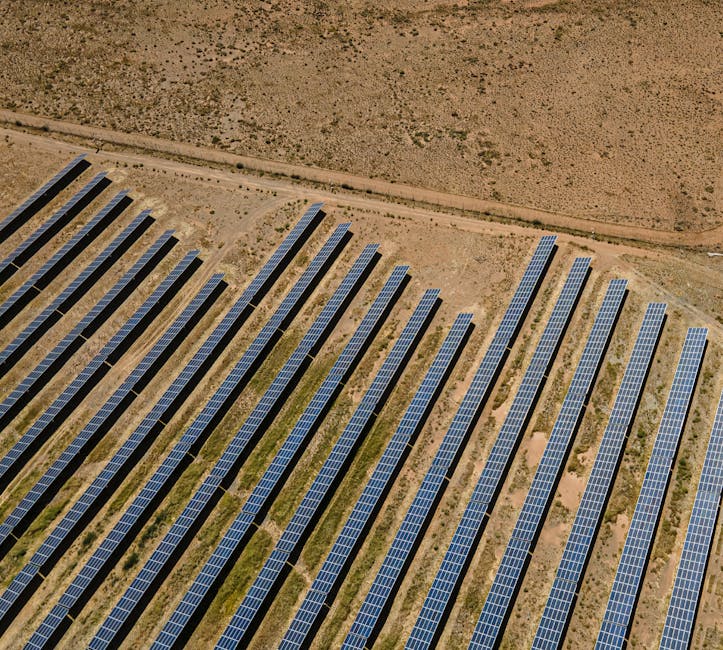
The policy mandates that majority shareholding and control of the investee entity must remain with resident Indian entities. A pivotal feature of the new guidelines is the 60-day window for the processing and clearance of investment proposals in identified manufacturing sectors. Industry experts, including Sanjeev Aggarwal of Hexa Climate, view this as a targeted move to facilitate technology partnerships and joint ventures without compromising control. The policy is specifically aimed at the upstream solar segment, where India faces a significant supply chain bottleneck. As of December 2025, India’s cumulative PV module manufacturing capacity reached approximately 210 GW, yet cell manufacturing capacity lagged at only 27 GW. Furthermore, commercial-scale polysilicon and wafer production remain largely absent from the domestic landscape.
What This Means for EPCs and Developers
For EPC contractors and developers, this policy shift represents a potential stabilization of the supply chain. While Production-Linked Incentives (PLI) have successfully scaled module assembly, they have not fully addressed the upstream dependency on Chinese imports for ingots and wafers. The influx of foreign capital, coupled with technology transfer, is expected to foster integrated renewable manufacturing clusters. CA Baratam Satyanarayana of Bondada Group notes that this will likely enhance production efficiencies and deepen local ecosystems, ultimately benefiting developers through more competitive pricing and reduced lead times for critical components like battery storage and electrolyzers.
What Happens Next
The immediate focus will be on how quickly the 60-day clearance mandate is implemented in practice. Stakeholders should monitor the emergence of new joint ventures in the ingot-wafer space, as these are essential for achieving true domestic vertical integration. While the government remains cautious about maintaining strategic control, the policy provides a clearer pathway for foreign investors to participate in India’s clean energy manufacturing journey, potentially transforming the nation into a global hub for renewable technology.