
⚡ Quick Read
- What happened: The UAE is set to expand its solar capacity from 6.7 GW in 2025 to 32.3 GW by 2035, with generation rising to 75.4 TWh.
- Why it matters: The region’s success in achieving world-record low tariffs through competitive procurement sets a global benchmark for large-scale utility projects.
- Watch: The integration of gas-fired flexibility and advanced storage solutions to balance the massive influx of variable solar power.
Background and Context
The United Arab Emirates (UAE) is undergoing a significant energy transition, shifting from a hydrocarbon-dependent power sector to a diversified mix heavily reliant on renewables. According to a recent report by GlobalData, the nation is projected to increase its solar capacity from 6.7 GW in 2025 to 32.3 GW by 2035. This growth represents a compound annual growth rate (CAGR) of over 17%, positioning the UAE as a critical hub for clean energy development in the MENA region.
Key Details
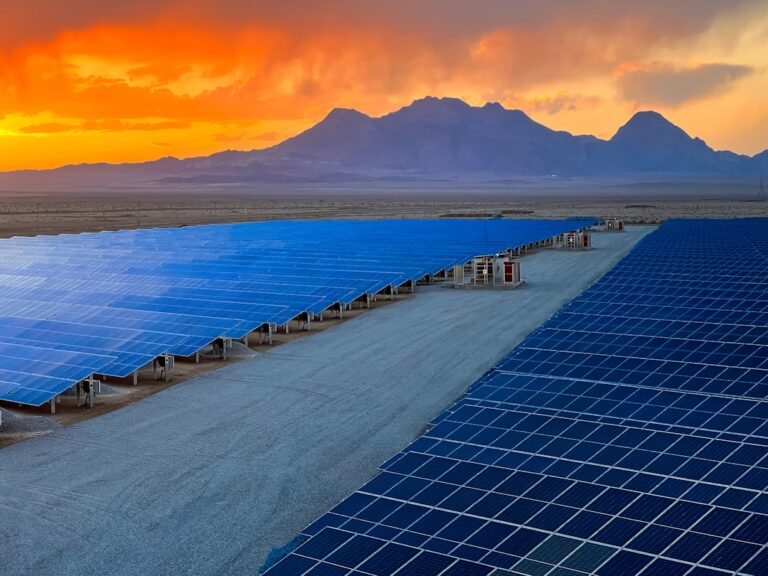
The expansion is underpinned by the UAE Energy Strategy 2050, which mandates approximately $54 billion in investments toward clean and alternative energy infrastructure. The strategy aims to secure a 50% clean energy share in the electricity mix and a 70% reduction in the carbon footprint of power generation by 2050. Notable projects driving this momentum include the Al Dhafra Solar facility, currently the world’s largest single-site solar installation, and the Mohammed bin Rashid Al Maktoum Solar Park, which is designed to power nearly 800,000 homes by 2030. Furthermore, the Noor Abu Dhabi Solar Park continues to contribute 1.2 GW of capacity, effectively reducing carbon emissions by 1 million metric tons annually.
What This Means for EPCs and Developers
For Indian EPC contractors and developers eyeing international expansion, the UAE market offers a masterclass in large-scale solar execution. The region’s ability to drive down Levelized Cost of Electricity (LCOE) through competitive procurement processes is a direct result of exceptional irradiance levels and high net capacity factors. With utility-scale solar PV acting as the primary price setter in the region—where solar LCOEs fell by 6–10% year-on-year in 2025—developers must leverage advanced technologies like single-axis trackers to remain competitive. The UAE’s focus on integrating solar with gas-fired capacity for grid stability highlights the growing necessity for hybrid project management expertise.
What Happens Next
While solar capacity is scaling rapidly, the UAE will maintain a gas-fired capacity of nearly 46 GW by 2035 to ensure grid reliability and support desalination processes. The next decade will focus on the deployment of sophisticated storage systems, including pumped hydro and battery energy storage systems (BESS), to manage the intermittency of solar generation. Industry stakeholders should monitor how the UAE balances this massive solar influx with nuclear baseload generation and flexible gas-based systems, as these models will likely influence future grid management strategies across the global energy sector.