

⚡ Quick Read
- What happened: Polyester film manufacturer Polyplex will acquire equity stakes in Clean Max Neht (49%) and BECIS Solar 1 (26%) for ₹110 million each to source captive solar power for its Uttarakhand plants.
- Why it matters: This move highlights the growing trend of C&I consumers transitioning from mere power purchasers to equity partners in renewable energy SPVs to secure long-term energy cost optimization.
- Watch: The completion of these equity acquisitions within the one-year window and the subsequent commissioning of the associated solar capacities in Khatima and Bazpur.
Background and Context
Polyplex, a prominent player in the polyester film industry, is aggressively expanding its renewable energy footprint to align with global sustainability standards and optimize operational costs. As part of its broader strategy to transition toward green energy, the company has been actively integrating solar power across its international manufacturing hubs, including India, Thailand, Türkiye, and Indonesia. With industrial manufacturing being energy-intensive, Polyplex is leveraging captive power models to mitigate grid dependency and ensure compliance with evolving regulatory requirements for industrial energy consumption.
Key Details
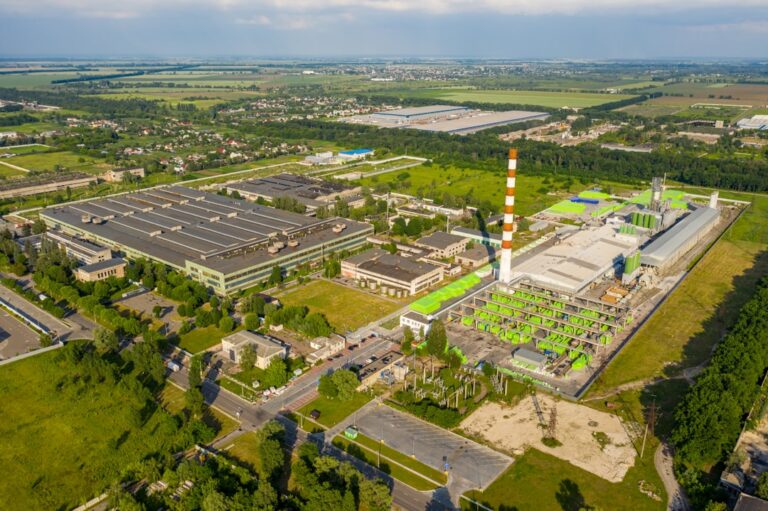
Polyplex has entered into agreements to acquire equity stakes in two special purpose vehicles (SPVs) to facilitate its captive solar requirements for its manufacturing plants in Khatima and Bazpur, Uttarakhand. The company will invest ₹110 million (~$1.17 million) to secure a 49% equity stake in Clean Max Neht, an SPV of Clean Max Enviro Energy Solutions. Simultaneously, it will invest an additional ₹110 million to acquire a 26% equity stake in BECIS Solar 1, an SPV of Berkeley Energy Commercial Industrial Solutions.
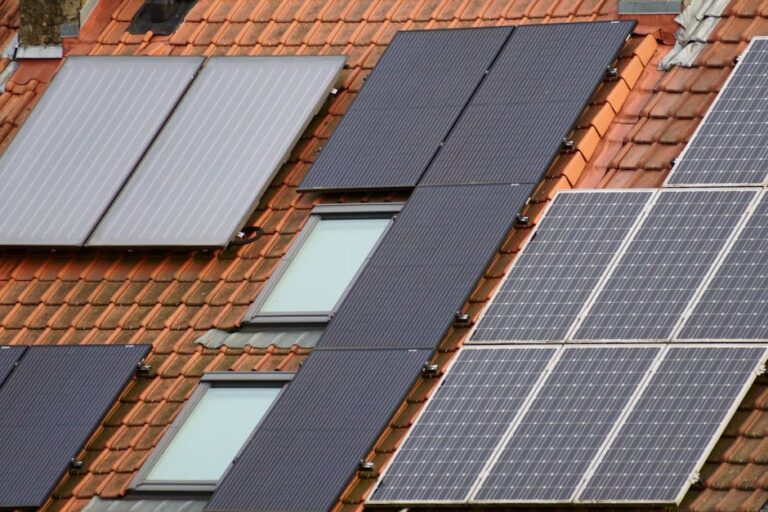
These acquisitions are slated for completion within one year of the execution of the power purchase, share subscription, and shareholders’ agreements. This investment follows a series of recent solar capacity additions by the company, including a 3.2 MW rooftop project in Bazpur and a 2 MW ground-mounted project in Khatima commissioned in 2024. The company’s portfolio continues to grow, with further expansions planned in Indonesia and Türkiye, and a targeted 1.8 MW capacity expansion scheduled for the 2026 financial year.
What This Means for EPCs and Developers
The deal underscores the evolving dynamics of the Commercial and Industrial (C&I) segment in India, which currently accounts for nearly 42% of total electricity consumption. For EPC contractors and solar developers, this transaction serves as a blueprint for the ‘equity-plus-power’ model. Large industrial consumers are increasingly seeking deeper involvement in the project lifecycle to ensure long-term tariff stability and regulatory compliance. Developers who can offer flexible equity participation alongside robust EPC and O&M services are likely to capture a larger share of the C&I market, particularly in states with favorable open-access policies like Uttarakhand, Maharashtra, and Gujarat.
What Happens Next
Polyplex is expected to finalize the share subscription and shareholders’ agreements within the next twelve months. The industry will be monitoring the integration of these solar assets into the company’s existing manufacturing infrastructure. Furthermore, as Polyplex continues to explore high-potential sustainability applications, including solar systems for lithium-ion battery manufacturing, the company is positioned to remain a significant buyer of renewable energy solutions in the coming years.