

⚡ Quick Read
- What happened: Pace Digitek has secured a contract from NTPC to install a 200 MW/400 MWh Battery Energy Storage System (BESS) at the Nabinagar Super Thermal Power Station in Bihar for INR 4,945.40 million.
- Why it matters: This project highlights the growing trend of integrating large-scale BESS into thermal power hubs to balance grid stability and manage renewable energy intermittency.
- Watch: Monitor the project’s 15-month execution timeline and the subsequent 11-year comprehensive maintenance phase for insights into long-term BESS operational requirements.
Background and Context
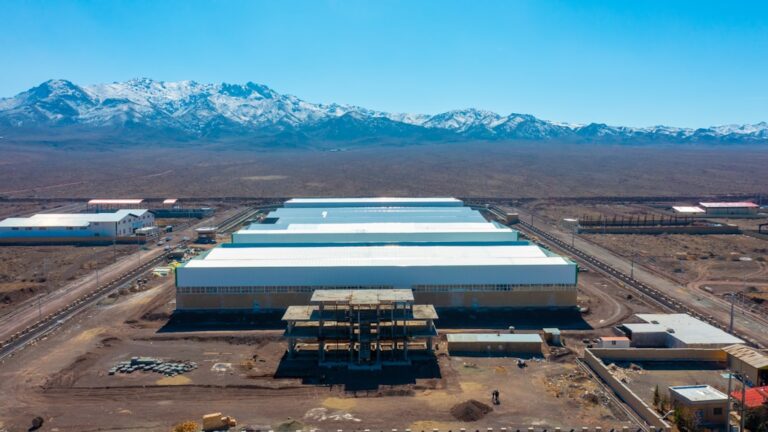
As India accelerates its transition toward a greener energy mix, the integration of utility-scale storage solutions has become a priority for central power utilities. NTPC Ltd, India’s largest power producer, is actively diversifying its infrastructure to include advanced storage capabilities. The selection of Pace Digitek, an integrated provider of telecom infrastructure and energy solutions, to execute a 200 MW/400 MWh Battery Energy Storage System (BESS) at the Nabinagar Super Thermal Power Station in Bihar marks a strategic move to stabilize power supply at a major thermal site.
Key Details
The contract, valued at INR 4,945.40 million (excluding GST), encompasses the entire lifecycle of the BESS project. Pace Digitek is tasked with the supply, logistics, installation, testing, and commissioning of the system. Furthermore, the scope includes all associated civil, structural, and site-specific works required for the integration of the storage facility.
The project timeline is structured into two distinct phases: a 15-month execution period for the supply and physical installation of the BESS, followed by a comprehensive annual maintenance contract spanning 11 years. This long-term maintenance commitment underscores the critical nature of the asset in maintaining grid reliability.
What This Means for EPCs and Developers
For EPC contractors and developers, this project serves as a benchmark for utility-scale BESS deployment in India. The involvement of a major player like NTPC indicates a robust pipeline for similar projects across the country. Developers should note that the scope of work is increasingly moving toward ‘integrated execution’—where the contractor is responsible not just for hardware delivery, but for the entire civil and structural ecosystem, as well as long-term O&M. This shift necessitates stronger capabilities in project management and long-term asset performance monitoring.
What Happens Next
With the contract awarded, the immediate focus shifts to the 15-month implementation phase at the Nabinagar site. Industry stakeholders will be watching the technical execution and the integration of the BESS with existing thermal infrastructure. The success of this project will likely influence future tender requirements for NTPC and other state-owned utilities, particularly regarding the balance between upfront EPC costs and the long-term lifecycle maintenance obligations inherent in BESS deployments.