
⚡ Quick Read
- What happened: Gujarat Fluorochemicals subsidiary GFCL EV raised $80 million from a global investor, bringing its total funding to $130 million to expand battery material production.
- Why it matters: The investment accelerates domestic production of critical battery components like LiPF6 and cathode materials, reducing reliance on imports for Indian energy storage and EV projects.
- Watch: Progress on the company’s integrated battery material facility and the scaling of its 10 GW hybrid renewable energy target.
Background and Context
GFCL EV Products, a subsidiary of Gujarat Fluorochemicals (GFL), has reached a significant financial milestone by securing $80 million in funding from an undisclosed global investor. This follows a previous $50 million investment from the International Finance Corporation (IFC), bringing the company’s total capital infusion to $130 million. As part of the $18 billion INOXGFL Group, GFCL EV is positioning itself as a critical player in India’s burgeoning battery supply chain, focusing on both the electric vehicle (EV) and energy storage system (ESS) markets.
Key Details
The newly acquired capital is earmarked for scaling manufacturing capacity for advanced battery materials and strengthening global supply chain integration. GFCL EV operates as a fully integrated entity with backward integration into essential raw materials. Its product portfolio is extensive, covering electrolyte salt LiPF6, electrolyte formulations, performance-enhancing additives, cathode active materials like lithium iron phosphate (LFP), and binders such as PVDF and PTFE.
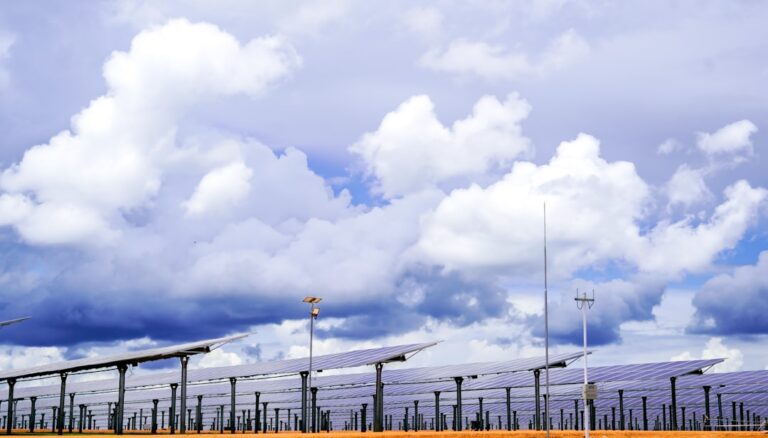
This development aligns with the broader strategic goals of the INOXGFL Group, which maintains a dual focus on chemicals and renewable energy. The group is aggressively expanding its footprint, with its solar manufacturing arm, Inox Solar, having partially commissioned 1.2 GW of its planned 3 GW module manufacturing facility in Bavla, Gujarat. Furthermore, the group is targeting a 10 GW hybrid capacity portfolio—combining wind, solar, and battery storage—within the next two to three years.
What This Means for EPCs and Developers
For EPC contractors and renewable energy developers in India, the rise of domestic battery material manufacturing is a positive indicator for project feasibility and cost stabilization. As the industry shifts toward hybrid projects that require sophisticated energy storage solutions, the availability of locally produced electrolyte salts, binders, and cathode materials will likely reduce the volatility associated with imported battery components. The INOXGFL Group’s end-to-end capabilities, ranging from turbine manufacturing and EPC services to large-scale module production, provide a comprehensive ecosystem for developers looking to execute complex, multi-technology projects.
What Happens Next
The market will be closely monitoring the operational ramp-up of GFCL EV’s manufacturing lines as they seek to meet the rising demand from India’s transport electrification and energy security initiatives. Simultaneously, the industry will track the progress of the INOXGFL Group’s 10 GW hybrid capacity goal, particularly how their battery storage solutions are integrated into upcoming large-scale solar and wind tenders. With the group already managing 13 GW of renewable assets and securing significant O&M contracts, their role as a vertically integrated service provider is set to expand significantly in the coming fiscal cycles.