
⚡ Quick Read
- What happened: Türkiye reached 25,827 MW of installed solar capacity by January 2026, while a consortium led by ENGIE secured a 900 MW wind project in Egypt.
- Why it matters: These developments highlight the rapid scaling of renewable infrastructure in the MENA region, providing significant opportunities for international EPCs and component suppliers.
- Watch: Financial close for the 900 MW Egyptian wind farm is anticipated by Q3 2026, with the first 300 MW phase expected online by December 2027.
Background and Context
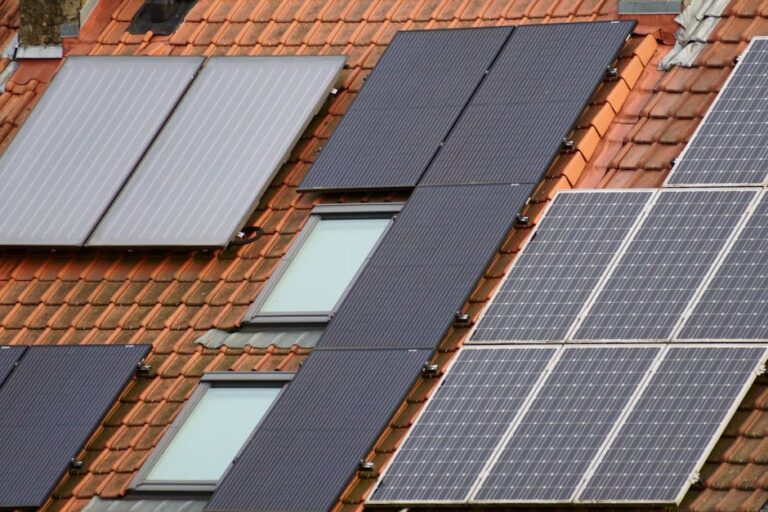
The Middle East and North Africa (MENA) region continues to consolidate its position as a global renewable energy hub. Recent data indicates that Türkiye has achieved a monumental expansion in its solar sector, growing its installed capacity from a mere 40.2 MW in 2014 to 25,827 MW by the end of January 2026. This growth trajectory reflects a 641-fold increase, positioning solar as a cornerstone of the nation’s energy mix, currently accounting for 20.9% of total installed power capacity.
Key Details
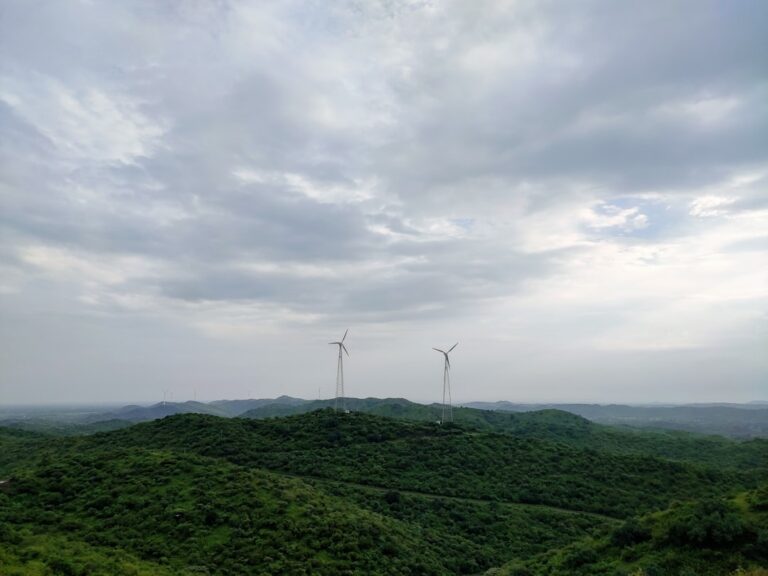
Türkiye’s solar electricity generation has seen a parallel surge, climbing from 17 GWh in 2014 to 38,069 GWh by the end of 2025. Looking ahead, the country has set an ambitious target to reach 120,000 MW of combined solar and wind capacity by 2035. Meanwhile, in Egypt, the renewable landscape is expanding through a major 900 MW onshore wind farm project near Ras Shokeir. This project is being developed by a consortium featuring ENGIE (35%), Orascom Construction (25%), and Aeolus (40%). The facility will operate under a 25-year build-own-operate model, with the first 300 MW phase slated for commissioning in December 2027 and full operational status expected by mid-2028.
Furthermore, the infrastructure for the green hydrogen corridor between Oman and Europe is advancing. Ecolog International has appointed engineering firms to develop a specialized terminal at the Port of Amsterdam for liquid hydrogen (LH₂) storage, facilitating the export of renewable fuels from the Port of Duqm to key European logistics hubs.
What This Means for EPCs and Developers
For Indian EPC contractors and developers, the MENA region represents a high-growth market with clear project pipelines. The Egyptian wind project, specifically, underscores the necessity of local partnerships; Orascom Construction’s involvement in civil and electrical balance-of-plant works highlights the value of local expertise in international consortiums. The massive scale of Türkiye’s 2035 target suggests sustained demand for modules, inverters, and BOS technology, offering export potential for Indian manufacturers capable of meeting international standards.
What Happens Next
Stakeholders should monitor the financial close of the Egyptian wind farm, scheduled for the early third quarter of 2026. Additionally, the progress of the Oman-Netherlands-Germany liquid hydrogen corridor serves as a bellwether for the viability of long-distance green hydrogen trade. As Türkiye continues its aggressive build-out, procurement professionals should watch for further tender announcements related to its 120 GW renewable energy roadmap.