
⚡ Quick Read
- What happened: Coal India and Sarus Infrastructures won 375 MW/1,500 MWh of BESS projects, while NTPC awarded 2,334 MWh of storage capacity to multiple EPC firms.
- Why it matters: The massive scale of these battery storage awards signals a rapid shift toward grid-firming solutions for Indian developers and EPC contractors.
- Watch: The impact of the Ministry of Power’s Section 11 emergency coal directives on short-term grid stability and renewable energy integration.
Background and Context
The Indian power sector is currently navigating a dual-track strategy: managing immediate peak demand through emergency thermal power directives while simultaneously accelerating the integration of long-duration energy storage. As power demand projections rise for the summer of 2026, the Ministry of Power has invoked Section 11 of the Electricity Act to ensure coal-based thermal plants, such as Coastal Power Gujarat, operate at full capacity through June 30, 2026. Simultaneously, state and central utilities are aggressively expanding battery energy storage system (BESS) capacity to balance the grid.
Key Details
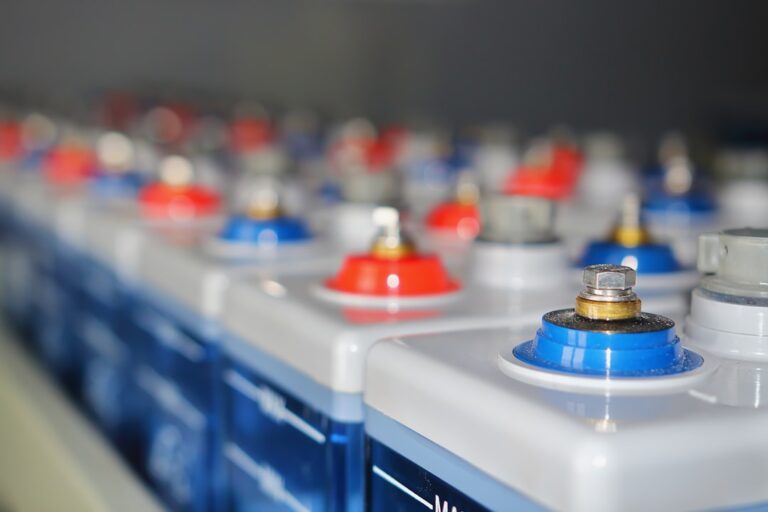
The Telangana Power Generation Corporation (TGGENCO) has finalized its auction for 375 MW/1,500 MWh of standalone BESS. Coal India and Sarus Infrastructures emerged as winners, each securing 187.5 MW/750 MWh capacity to be deployed at the Choutuppal and Maheswaram substations. This follows a competitive tender process initiated in November 2025.
In a parallel development, NTPC has awarded contracts for 2,334 MWh of BESS across its thermal power stations in Karnataka, Maharashtra, Bihar, Andhra Pradesh, and Telangana. The winning consortium includes G R Infraprojects, Enviro Infra Engineers, Solarworld Energy Solutions, NTPC GE Power Services, Pace Digitek, and Enrich Energy. Furthermore, Adani Energy Solutions has been tapped by PFC Consulting to develop interstate transmission systems (ISTS) in Maharashtra, which are critical for evacuating power from the 6 GW Rajasthan REZ Phase IV solar complex.
What This Means for EPCs and Developers
For EPC contractors, these awards represent a significant pivot toward storage-integrated projects. The scale of the NTPC and TGGENCO tenders suggests that BESS is no longer a niche requirement but a core component of utility-scale infrastructure. Developers must now account for the regulatory environment, including the Central Electricity Regulatory Commission’s extension of the Deviation Settlement Mechanism (DSM) cost-sharing formula until October 4, 2026, which provides much-needed clarity for project financial modeling.
What Happens Next
The industry is closely monitoring the implementation of Rajasthan’s new ‘Framework for Resource Adequacy Regulations, 2026,’ which will dictate how generation and transmission resources are planned to meet future demand. Additionally, with the Maharashtra Electricity Regulatory Commission maintaining generic tariffs for rooftop solar and biomass at ₹2.82/kWh and ₹6.85/kWh respectively for FY 2026–27, developers should expect stable but competitive pricing environments in the coming fiscal year. The focus remains on executing the massive BESS pipeline while navigating the government’s emergency thermal mandates.
📊 Key Data
Below is the summary of the TGGENCO standalone battery storage auction.
| Field | Details |
|---|---|
| Issuing Authority | TGGENCO |
| Tender Reference | Not specified |
| Capacity/Scope | 375 MW / 1,500 MWh |
| Technology Type | Standalone Battery Energy Storage System (BESS) |
| Project Location | Choutuppal and Maheswaram substations, Telangana |
| Estimated Value | Not specified |
| EMD/Bid Security | Not specified |
| Bid Deadline | Not specified |
| Pre-bid Meeting | Not specified |
| Project Duration | Not specified |
| Tariff Structure | Not specified |
| Eligibility Networth | Not specified |
| Eligibility Experience | Not specified |
| Special Conditions | Not specified |
| Go/No-Go Signal | 🟢 |