
⚡ Quick Read
- What happened: Exide Industries has invested INR 450 crore into its subsidiary, Exide Energy Solutions Ltd (EESL), through a rights issue of 112.5 million shares.
- Why it matters: This capital infusion accelerates the development of EESL’s greenfield lithium-ion manufacturing facility in Bengaluru, strengthening domestic supply chains for stationary storage and EV markets.
- Watch: Progress on the commissioning of the Bengaluru plant and further capital requirements for scaling cell production.
Background and Context
Exide Industries, a legacy leader in the lead-acid battery segment, continues its aggressive pivot toward advanced chemistry solutions. The company established its wholly-owned subsidiary, Exide Energy Solutions Ltd (EESL), on March 24, 2022, to capture the burgeoning demand for lithium-ion technology in India. EESL is specifically tasked with the manufacturing and sale of lithium-ion cells, modules, and battery packs, catering to both the electric vehicle (EV) sector and the stationary energy storage market.
Key Details
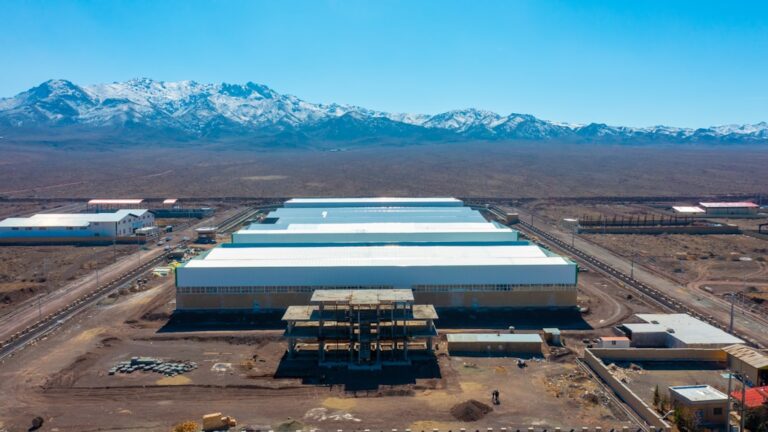
The latest capital infusion of INR 450 crore was executed through a rights subscription to equity share capital. EESL allotted 112.5 million equity shares at a face value of INR 10, issued at a premium of INR 30 per share. This transaction brings Exide’s total cumulative investment in EESL to INR 4,802.23 crore. Despite the significant cash injection, Exide Industries maintains its 100% shareholding in the subsidiary. The funds are earmarked for the ongoing development of a greenfield manufacturing facility located in Bengaluru, which is central to the company’s strategy to localize the production of high-energy-density battery cells.
What This Means for EPCs and Developers
For EPC contractors and renewable energy developers, the scaling of domestic lithium-ion manufacturing is a critical development. As India pushes for higher integration of variable renewable energy (VRE), the availability of locally manufactured, cost-effective battery energy storage systems (BESS) is vital for grid stability and peak-shaving applications. The expansion of EESL’s production capacity provides developers with a reliable domestic alternative to imported cells, potentially reducing project lead times and mitigating supply chain risks associated with global geopolitical volatility.
What Happens Next
The market will closely monitor the construction timelines for the Bengaluru facility. As EESL moves toward commercial production, the company will likely play a larger role in large-scale tenders for BESS projects issued by entities like SECI and NTPC. Developers should keep an eye on the technical specifications and pricing competitiveness of EESL’s upcoming cell offerings as they enter the market.