⚡ Quick Read
- What happened: The UAE added approximately 1 GW of solar capacity in 2025, bringing its cumulative total to 6.7 GW.
- Why it matters: The UAE’s successful IWPP procurement model and competitive tariff landscape offer a blueprint for Indian developers looking at international expansion and project financing benchmarks.
- Watch: Projections indicate a 17% CAGR, with capacity expected to reach 9.4 GW by 2026 and 30 GW by 2035.
Background and Context
The United Arab Emirates (UAE) has solidified its position as a global leader in solar energy deployment. According to recent analysis by GlobalData, the nation successfully expanded its solar footprint by approximately 1 GW in 2025, moving from a cumulative capacity of 5.7 GW at the end of 2024 to 6.7 GW by year-end 2025. This growth is underpinned by a strategic combination of long-term policy frameworks, vast land availability, and a highly efficient, centralized electricity system.
Key Details
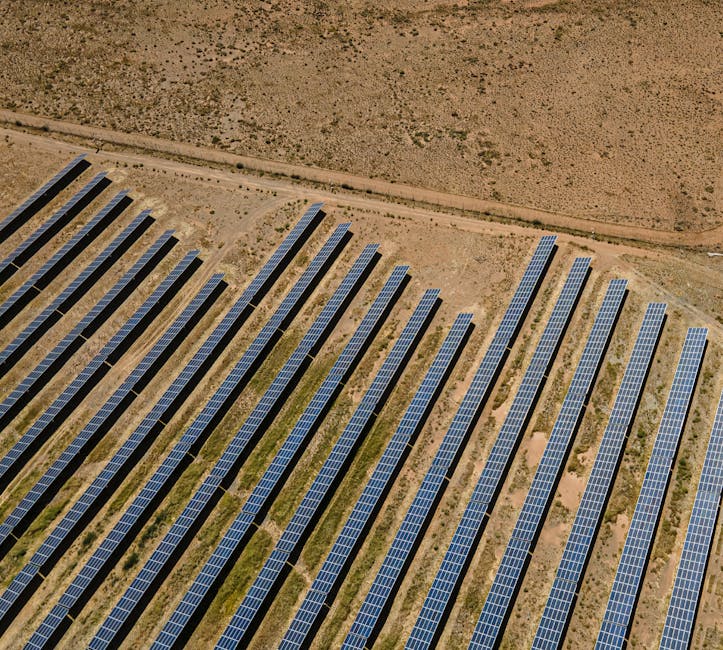
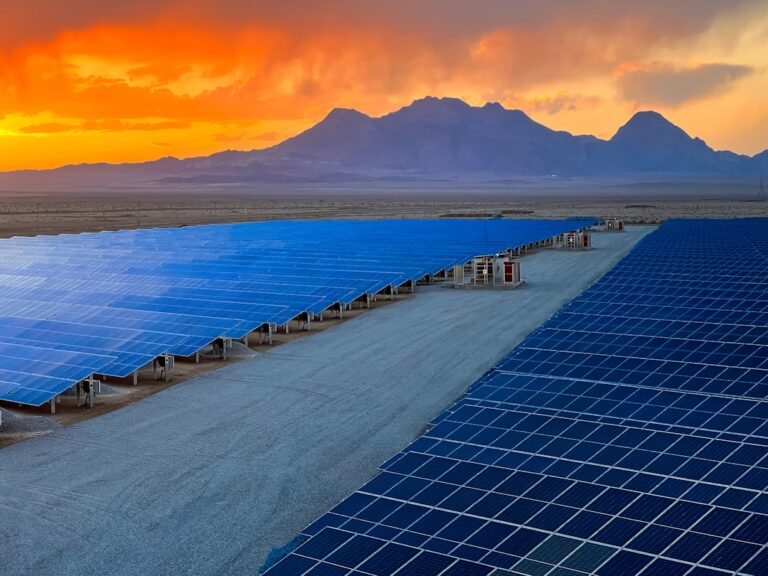
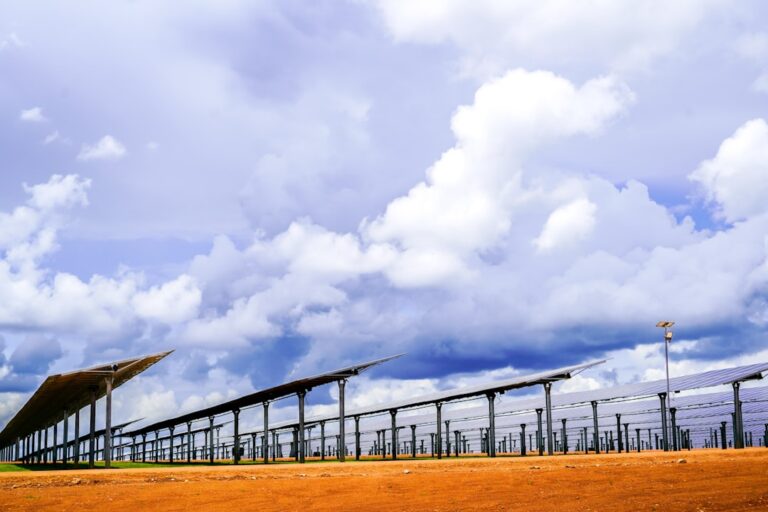
The market is currently dominated by utility-scale projects, exemplified by the Mohammed bin Rashid Al Maktoum Solar Park. GlobalData forecasts an aggressive growth trajectory, with an anticipated addition of 2.4 GW in 2026, pushing total capacity to 9.4 GW. Looking further ahead, the UAE is expected to maintain a compound annual growth rate (CAGR) of over 17% through 2035, aiming to surpass the 30 GW threshold by that year. Solar PV generation is similarly projected to surge from 15.8 TWh in 2025 to 75.4 TWh by 2035.
The market’s success is attributed to the Independent Water and Power Producer (IWPP) procurement model. By utilizing international tenders backed by long-term power purchase agreements (PPAs), the UAE has successfully mitigated investment risks, attracting global developers and financing institutions. This structure has been instrumental in achieving some of the lowest solar tariffs recorded globally, as seen in projects like the Al Dhafra Solar PV plant.
What This Means for EPCs and Developers
For Indian EPC contractors and developers, the UAE market serves as a critical case study in competitive procurement. The ecosystem thrives on a synergy between Chinese equipment manufacturers providing cost-competitive modules and European developers executing large-scale projects. Furthermore, the rapid expansion of the commercial and industrial (C&I) sector—driven by rooftop and carport installations for data centers, logistics hubs, and industrial facilities—highlights a growing opportunity for distributed solar expertise. The integration of solar into niche infrastructure, such as solar-powered desalination and district cooling, also represents a high-value frontier for specialized engineering firms.
What Happens Next
The UAE is shifting focus toward diversifying its solar integration. While utility-scale projects remain the backbone, the residential and distributed segments are gaining momentum through net-metering policies like ‘Shams Dubai’ and new initiatives in Abu Dhabi. Stakeholders should monitor the continued integration of solar energy into industrial applications, including hybrid energy systems and digital infrastructure, as these segments are expected to provide sustained growth alongside the massive utility-scale pipeline.
Original source: PV Magazine India
| Rewritten by MVA Pulse AI Editor