⚡ Quick Read
- What happened: The UAE added approximately 1 GW of solar capacity in 2025, bringing its cumulative total to 6.7 GW.
- Why it matters: The UAE’s success with the IWPP procurement model and low-tariff project structures serves as a benchmark for Indian developers eyeing international expansion.
- Watch: Projections indicate a 17% CAGR, with capacity expected to reach 9.4 GW by 2026 and 30 GW by 2035.
Background and Context
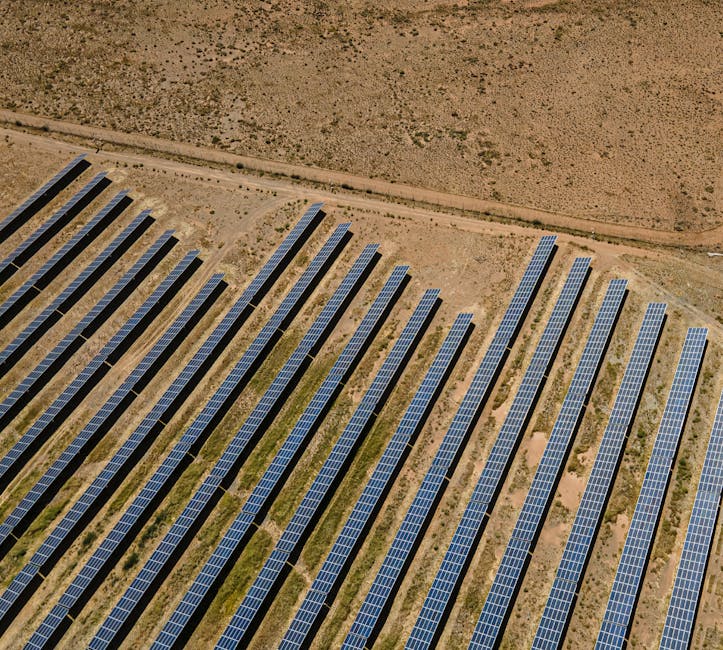
The United Arab Emirates (UAE) has solidified its position as a global leader in solar energy deployment. According to recent analysis by GlobalData, the nation successfully added approximately 1 GW of solar capacity in 2025, expanding its cumulative portfolio from 5.7 GW at the end of 2024 to 6.7 GW by the close of 2025. This growth trajectory is supported by a robust ecosystem of state-backed utilities, competitive procurement models, and a strategic focus on utility-scale infrastructure.
Key Details
GlobalData forecasts an aggressive expansion phase for the UAE, predicting an addition of 2.4 GW in 2026, which would bring cumulative capacity to 9.4 GW. The long-term outlook remains bullish, with a projected compound annual growth rate (CAGR) of over 17% through 2035. By the end of this decade, the UAE aims to reach 20 GW, eventually surpassing the 30 GW threshold by 2035. Concurrently, solar PV generation is expected to surge from 15.8 TWh in 2025 to 75.4 TWh by 2035.
Mohammed Ziauddin, Power Analyst at GlobalData, attributes this growth to a unique synergy: Chinese manufacturers providing cost-competitive modules, European developers participating in Independent Water and Power Producer (IWPP) tenders, and Emirati utilities coordinating long-term offtake agreements. This framework has consistently yielded some of the lowest solar tariffs globally, exemplified by projects like the Al Dhafra Solar PV plant.
What This Means for EPCs and Developers
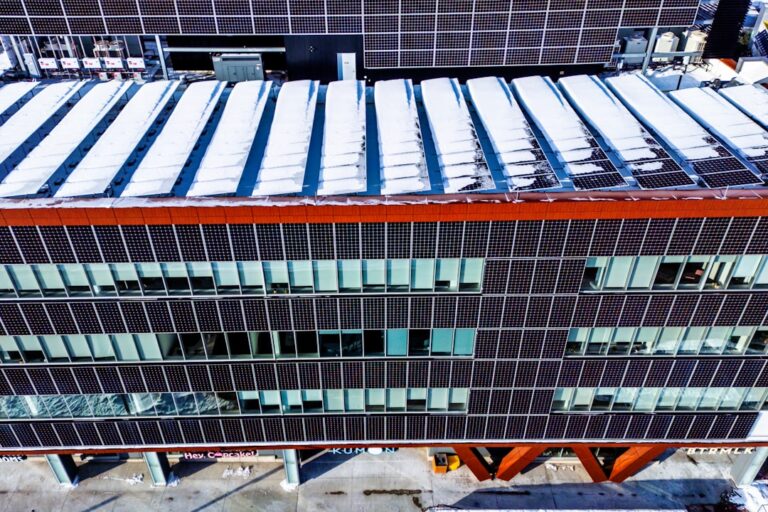
For Indian EPC contractors and developers, the UAE market offers a masterclass in risk mitigation. The IWPP model, which utilizes international tenders backed by long-term power purchase agreements (PPAs), significantly reduces investment risk. Furthermore, the diversification of the market—moving beyond utility-scale projects into commercial, industrial, and distributed segments—presents new opportunities. The rapid adoption of rooftop and carport solar systems in logistics centers, data centers, and retail complexes, supported by net-metering policies like ‘Shams Dubai’ and new initiatives in Abu Dhabi, highlights a maturing market that Indian firms can leverage for technical and operational expertise.
What Happens Next
The UAE is increasingly integrating solar energy into critical infrastructure, including solar-powered desalination, district cooling, and hybrid energy systems. As the country moves toward its 2035 targets, the focus will likely shift toward further scaling distributed solar and enhancing grid integration for these hybrid applications. Stakeholders should monitor the continued evolution of the IWPP procurement model as it remains the primary engine for the region’s energy transition.