
⚡ Quick Read
- What happened: Saudi Arabia added 7.8 GW of solar capacity in 2025, reaching a cumulative total of 12.46 GW.
- Why it matters: The rapid scale-up and massive PPA signings signal a booming market for large-scale utility projects, offering potential opportunities for global EPC players.
- Watch: Future growth hinges on streamlining land access, grid infrastructure upgrades, and the execution of the 12 GW of PPAs signed for 2027-2028.
Background and Context
Saudi Arabia has marked a significant milestone in its energy transition, with solar capacity jumping from 4,665 MW at the end of 2024 to an estimated 12,465 MW by the end of 2025. According to analysis from UK-based consultancy GlobalData, this 7.8 GW increase represents the largest annual growth in the nation’s history, establishing solar as the dominant renewable energy source within the country’s 13 GW total renewables portfolio.
Key Details
The growth trajectory is set to accelerate, with forecasts suggesting 5.2 GW of additions in 2026 and 9.6 GW in 2027, bringing cumulative capacity to 27.3 GW. Looking further ahead, GlobalData projects annual additions of 12 GW to 14 GW between 2028 and 2035. This would push cumulative capacity past 50 GW by 2029 and exceed 100 GW by 2033, reaching nearly 130 GW by 2035.
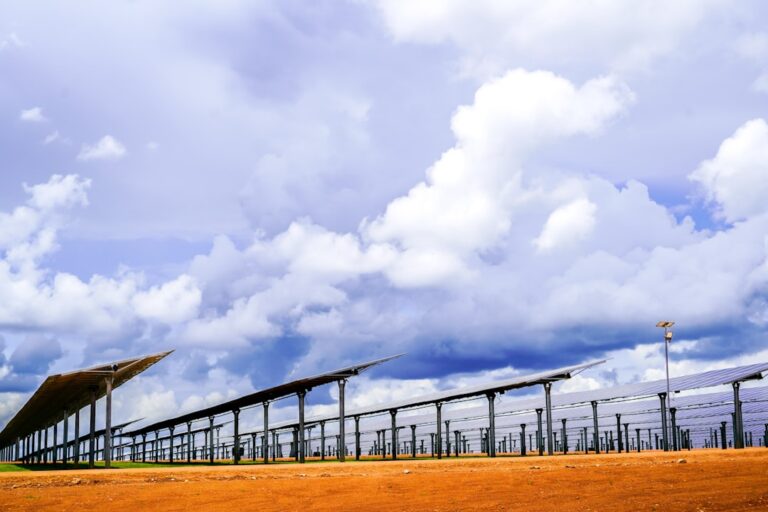
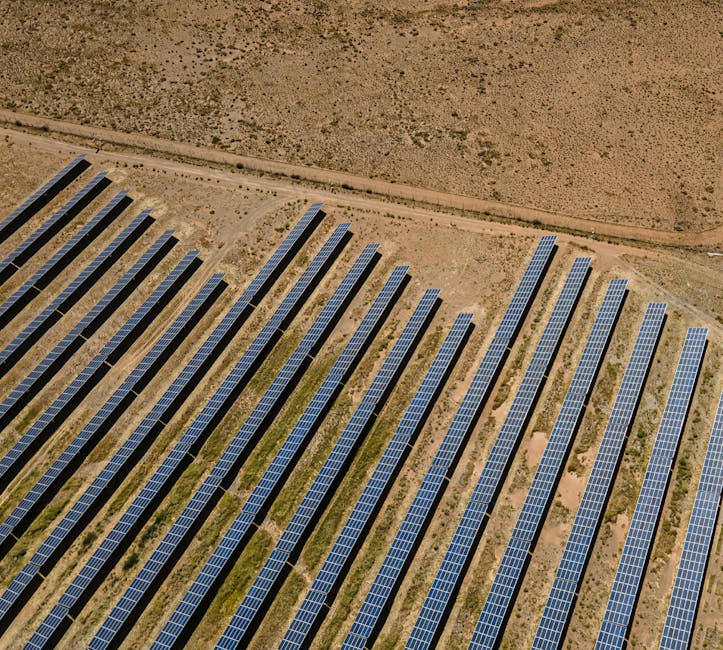
Despite this momentum, analysts note that the current pace lags behind the ambitious Saudi Vision 2030 target of 130 GW of renewable capacity. To bridge this gap, the country would need to accelerate annual installations to over 23 GW. Major drivers in 2025 included utility-scale projects, such as the 2.79 GW of capacity commissioned by ACWA Power. Furthermore, the Saudi Power Procurement Company (SPPC) recently signed PPAs for 12 GW of solar and 3 GW of wind, marking one of the largest renewable energy procurement phases globally.
What This Means for EPCs and Developers
For EPC contractors and developers, the Saudi market offers unprecedented scale. However, success requires navigating complex requirements. GlobalData analyst Attaurrahman Ojindaram Saibasan emphasizes that to sustain this growth, the market must focus on standardized, bankable PPAs and regular, transparent auctions. EPCs should anticipate a shift toward projects that integrate large-scale PV-plus-storage to manage evening peaks and mitigate curtailment risks. Additionally, the need for ‘desert-optimized’ O&M standards and local supply chain development presents a strategic entry point for firms capable of adapting to harsh climatic conditions.
What Happens Next
The seventh round of the national renewable energy program, covering 3.1 GW across four projects, is already underway. To ensure these projects reach completion, stakeholders are looking for the government to implement a one-stop permitting process and provide clearer timelines for grid interconnection. As the market matures, the focus is expected to shift toward distributed solar models and the mobilization of green finance, such as sukuk guarantees, to support the massive capital expenditure required for the next decade of development.