⚡ Quick Read
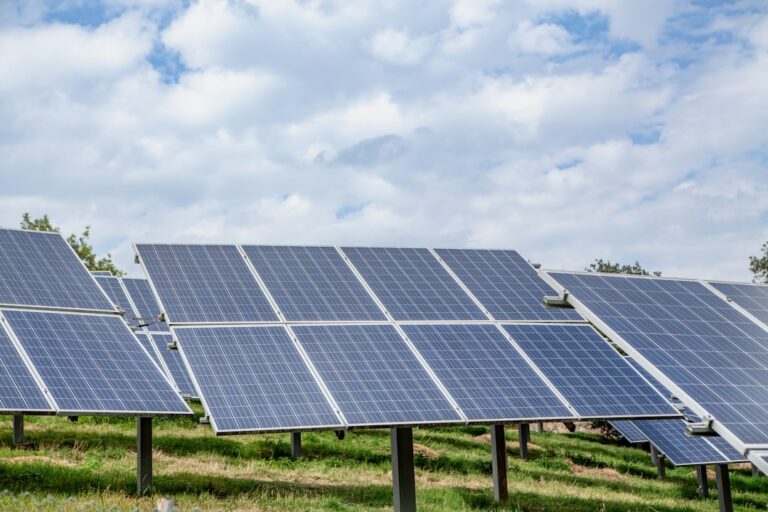
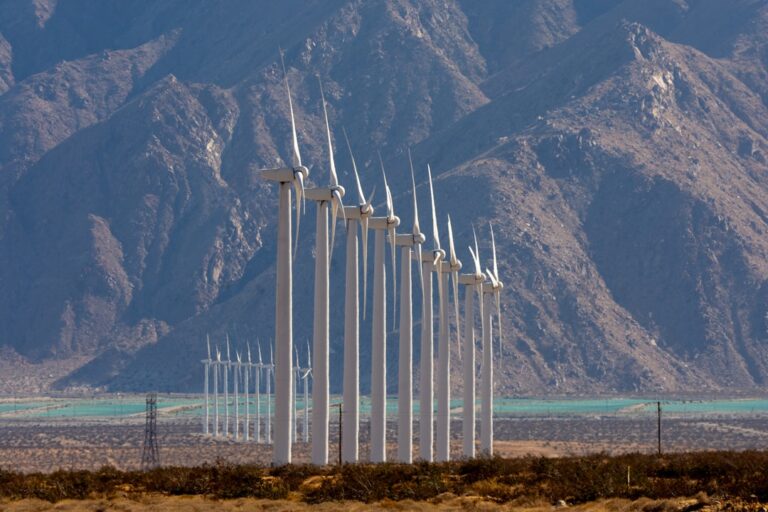
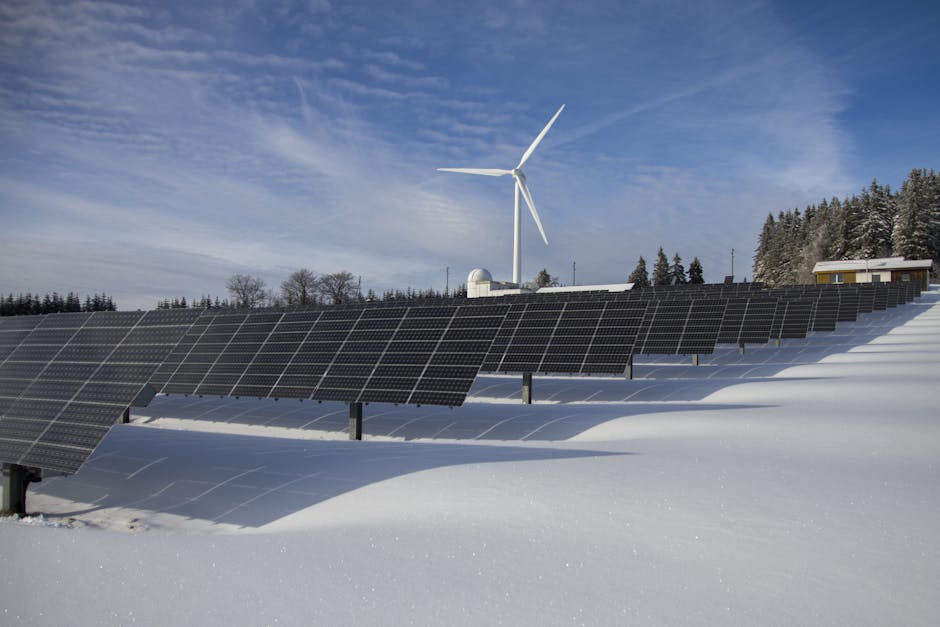
- What happened: Sanathan Polycot, a subsidiary of Sanathan Textiles, is investing ₹480 million to acquire a 26% stake in Serentica Renewables India 33 to source power from a 38 MW wind-solar hybrid project.
- Why it matters: This captive arrangement highlights the growing trend of power-intensive textile manufacturers leveraging hybrid renewable energy to optimize electricity costs and meet sustainability mandates.
- Watch: Further adoption of the Ministry of Power’s relaxed group captive norms, which allow collective 51% consumption requirements, driving more C&I investment into open access projects.
Background and Context
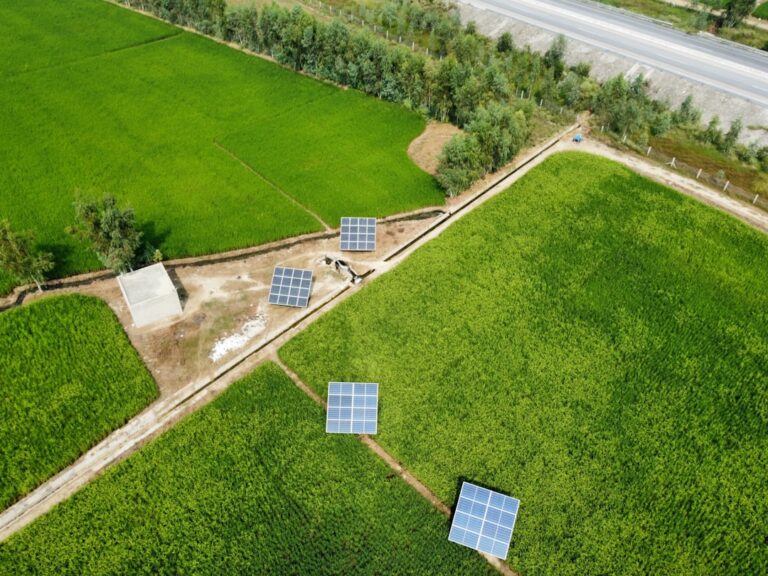
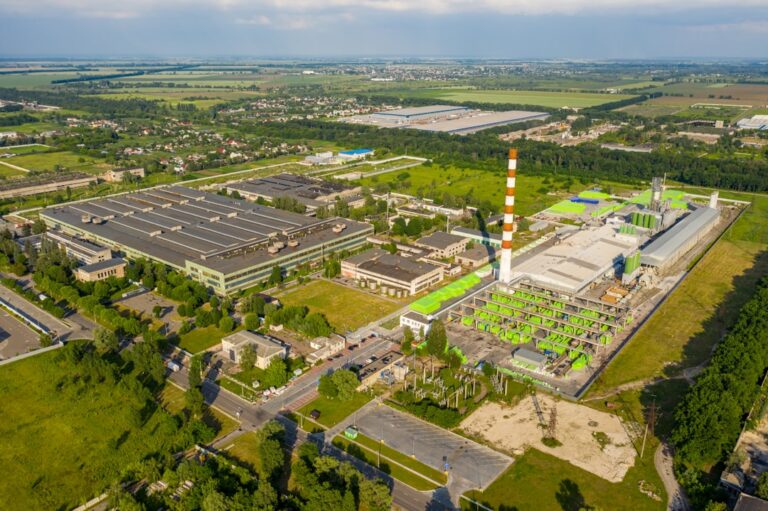
The Indian textile industry, a major consumer of electricity, is increasingly turning to renewable energy to mitigate rising operational costs. Sanathan Textiles, a prominent manufacturer of polyester and technical yarns, has been proactive in its energy transition. Since 2019, the company has operated a 2.35 MW rooftop solar installation at its Silvassa facility. Building on this foundation, the company is now expanding its renewable footprint to its Punjab facility, where it plans to integrate solar projects and biomass-based heating solutions using rice husk.
Key Details
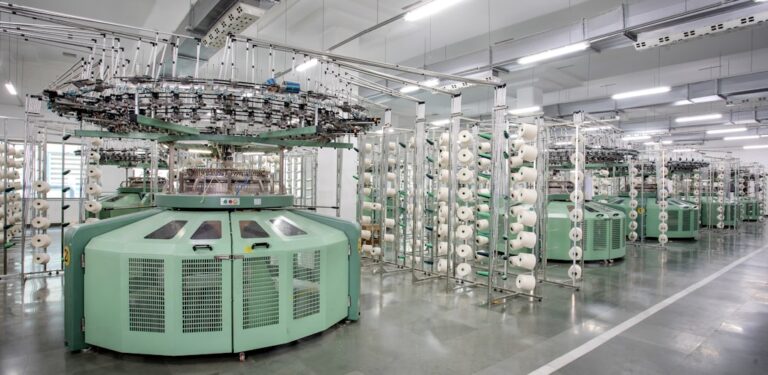
In a strategic move to secure long-term, cost-effective power, Sanathan Polycot—a subsidiary of Sanathan Textiles—has entered into a captive power arrangement with Serentica Renewables. Sanathan Polycot will invest ₹480 million (~$5.1 million) to acquire a 26% equity stake in Serentica Renewables India 33, a special purpose vehicle (SPV) established for a 38 MW wind-solar hybrid project. This hybrid plant is designed to power the manufacturing operations of Sanathan Polycot, which manages significant production capacities, including a 200,750 MTPA polyester filament yarn facility in Silvassa and a 346,250 MTPA unit in Punjab.
What This Means for EPCs and Developers
This partnership underscores the viability of the captive and open-access model for India’s industrial sector. With Commercial and Industrial (C&I) consumers accounting for nearly 42% of total electricity consumption in India, the textile sector represents a massive opportunity for developers. Industry data indicates that shifting to solar open access can yield electricity cost savings of 20% to 30%. Furthermore, the Ministry of Power’s recent policy shift—allowing group captive projects to meet the 51% consumption requirement collectively rather than on an individual basis—has significantly lowered the barrier to entry for mid-to-large scale industrial consumers. EPC contractors should note that the demand for hybrid solutions is rising, particularly in states like Maharashtra, Gujarat, Tamil Nadu, Karnataka, and Rajasthan, which currently host the bulk of industrial clusters.
What Happens Next
The market for open-access renewables remains robust, with India having added 7.8 GW of solar open-access capacity in 2025, bringing the cumulative total to over 30 GW. As manufacturers like Sanathan Textiles seek to decarbonize their supply chains, EPCs can expect an uptick in demand for customized hybrid wind-solar projects. The focus will now shift to how effectively developers can navigate the regulatory landscape to leverage the new group captive norms, potentially unlocking further investment in industrial renewable energy clusters.