⚡ Quick Read
- What happened: Rays Power Infra, through its subsidiary Bhalki Solar Power, won a 200 MW round-the-clock (RTC) renewable energy contract from REMCL, valued at INR 5,000 crore.
- Why it matters: The project integrates 700 MW of solar/wind capacity with 1,000 MWh of BESS, showcasing a complex hybrid model that maximizes grid evacuation and infrastructure utilization.
- Watch: Commissioning is slated for June 2028, with the project utilizing modules from Rays Power’s own upcoming cell manufacturing facility in Madhya Pradesh.
Background and Context
Rays Power Infra has officially entered the round-the-clock (RTC) renewable energy segment by securing a significant 200 MW contract from Railways Energy Management Co. Ltd. (REMCL). This project marks a strategic milestone for the company, which has been preparing for large-scale hybrid integration over the past two years. By co-locating solar and wind assets, the firm aims to provide a stable, 24/7 power supply, a critical requirement for the Indian Railways’ decarbonization goals.
Key Details
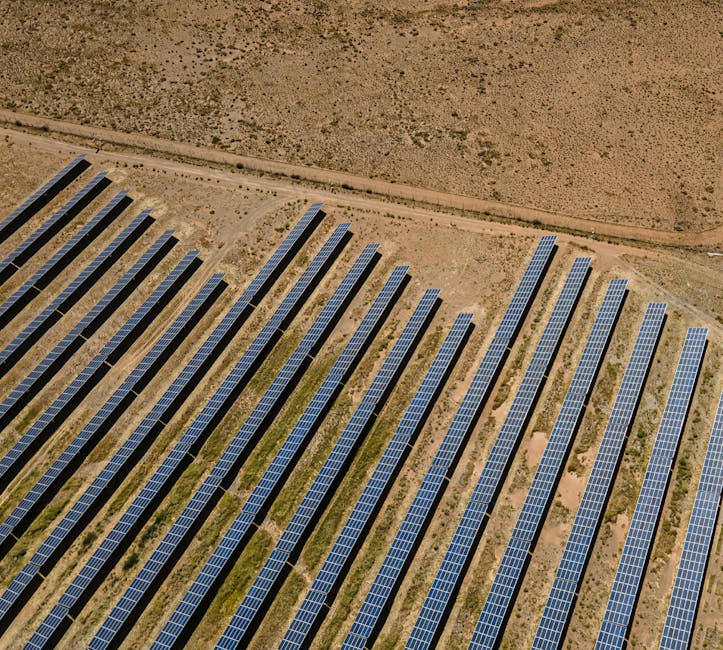
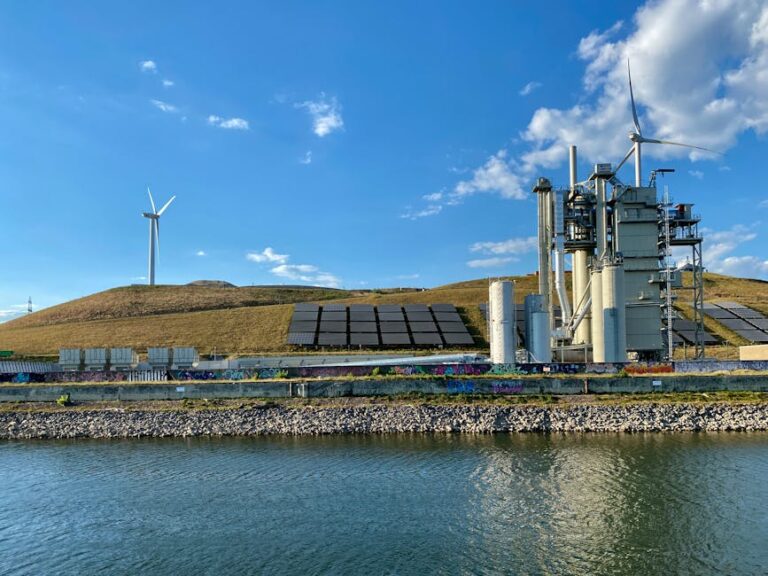
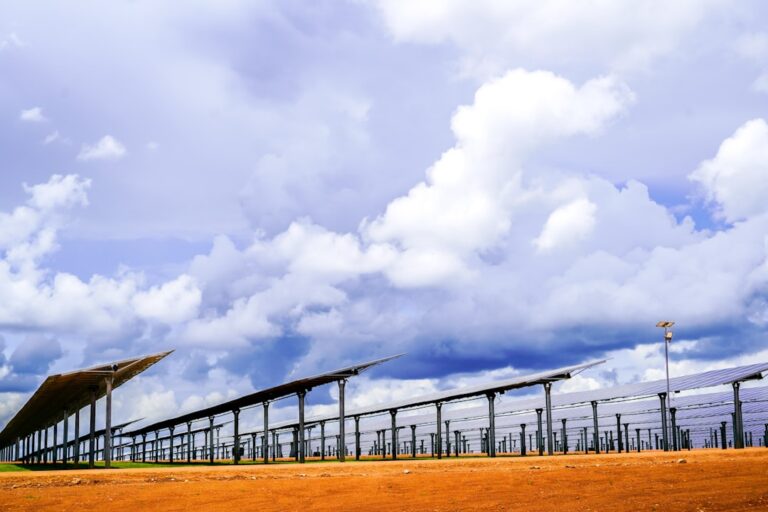
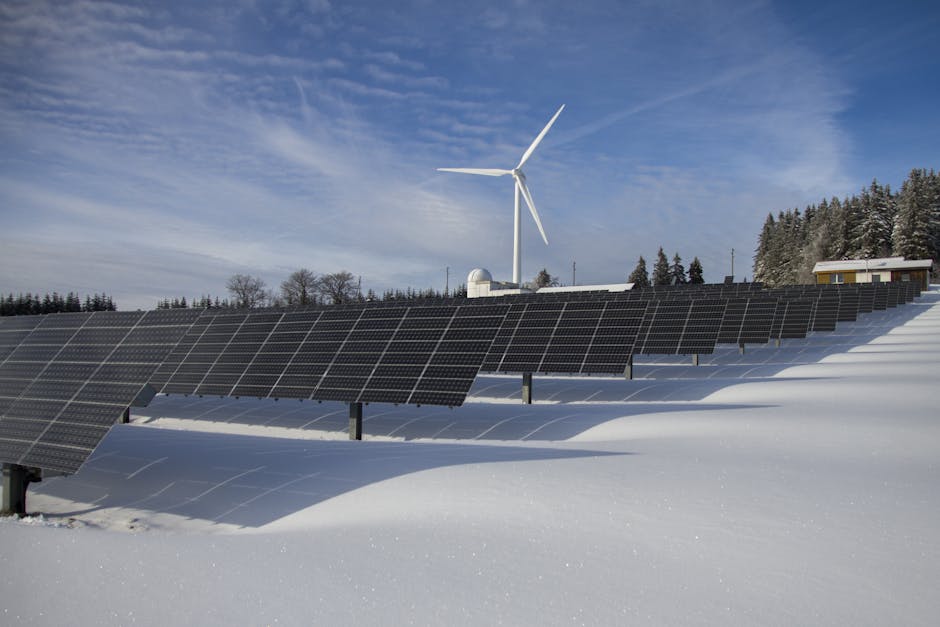
The project is a massive undertaking that involves the integration of over 700 MW of combined solar and wind capacity. To ensure the power remains available around the clock, the design incorporates a battery energy storage system (BESS) with a capacity exceeding 1,000 MWh. The project is valued at INR 5,000 crore and is scheduled for full commissioning by June 2028.
A notable aspect of this project is the vertical integration strategy. Rays Power plans to deploy modules manufactured using solar cells from its own facility, Rays Green Energy, currently under construction in Madhya Pradesh. As of January 31, 2026, the company boasts a diversified portfolio of approximately 11,665 MWp across solar, wind, and hybrid assets, with 2,247.3 MWp already commissioned.
What This Means for EPCs and Developers
For EPC contractors and developers, this project serves as a blueprint for the future of the Indian energy market. The emphasis on co-located hybrid sites demonstrates how developers can achieve superior cost competitiveness and maximize the utilization of existing evacuation infrastructure. By moving toward RTC models, developers can tap into high-energy-intensive sectors, including AI data centers, green hydrogen, and green ammonia production, which require consistent, uninterrupted power rather than intermittent supply.
What Happens Next
The industry will closely monitor the development of the Rays Green Energy cell manufacturing facility, as its output will be pivotal to the project’s timeline and cost-efficiency. Furthermore, the successful execution of this 200 MW RTC project will likely set a benchmark for future REMCL tenders. As the RTC framework matures, it is expected to become the standard for large-scale industrial consumers seeking to transition away from fossil fuels while maintaining operational stability.