⚡ Quick Read
- What happened: Panasonic and Itochu have launched a cybersecurity monitoring trial for a grid-scale Battery Energy Storage System (BESS) in Japan using specialized protocols like IEC 61850 and DNP3.
- Why it matters: As India scales its BESS capacity, securing energy management systems against cyber-attacks is becoming critical for grid stability and asset protection.
- Watch: Future commercial deployment guidelines and the potential integration of automotive-grade cybersecurity tech into stationary storage infrastructure.
Background and Context
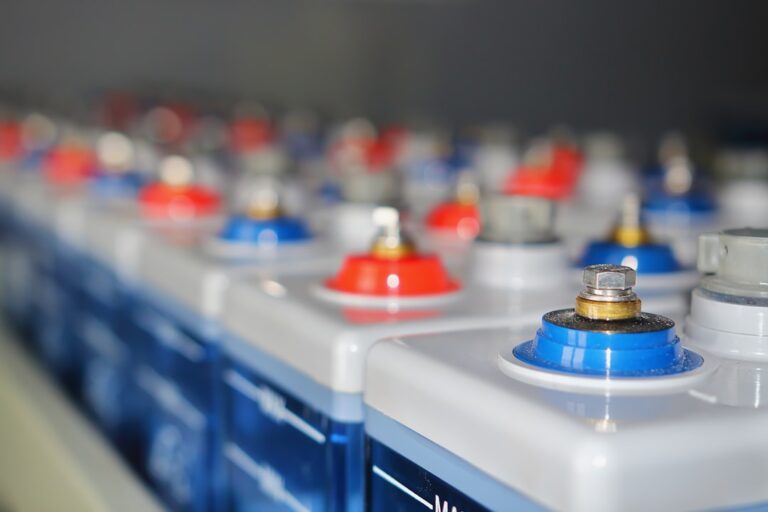
As the global energy transition accelerates, the integration of large-scale Battery Energy Storage Systems (BESS) into national grids has introduced new vulnerabilities. Recognizing that energy management systems are increasingly susceptible to digital threats, Panasonic, in collaboration with Itochu, has initiated a pioneering cybersecurity monitoring trial for a grid-scale BESS facility in Japan. This initiative marks a significant step in addressing the security architecture of distributed energy resources.
Key Details
The trial is being conducted by Panasonic’s holding company and its subsidiary, Panasonic Solution Technologies (PSTC). Due to the sensitive nature of grid infrastructure, the companies have opted for a simulated environment, noting that live validation poses significant operational risks. While specific details regarding the facility’s location, capacity, and duration remain undisclosed for security reasons, the scope of the project is comprehensive.
The monitoring solution is specifically engineered to analyze power-control communications, focusing on protocols and command behaviors unique to energy management systems, such as IEC 61850 and DNP3. The technology aims to provide continuous monitoring of system behavior to enable the early detection of anomalies and ensure situational awareness. Furthermore, the collaboration seeks to identify the practical implementation challenges associated with deploying such security frameworks in commercial, real-world settings.
What This Means for EPCs and Developers
For Indian EPC contractors and developers currently deploying or planning large-scale BESS projects, this trial highlights a shift in industry standards. As India’s grid becomes more digitized, the risk profile of BESS assets increases. Developers must begin evaluating the cybersecurity resilience of their energy management systems (EMS) during the procurement phase. The Panasonic trial suggests that future tender requirements may soon mandate advanced cybersecurity monitoring capabilities to ensure long-term asset security and grid compliance.
What Happens Next
The project will serve as a foundational study for establishing best practices in BESS cybersecurity. Panasonic is expected to leverage its expertise in automotive cybersecurity—a sector with rigorous safety standards—to refine its stationary storage security solutions. Stakeholders should monitor the outcomes of this trial, as it will likely influence the development of international standards for grid-connected storage security, potentially impacting future regulatory requirements in the Indian energy market.