⚡ Quick Read
- What happened: Neuron Energy is investing INR 100 crore to set up a 5 GWh automated BESS manufacturing facility in Talegaon, Maharashtra, capable of producing 1,000 containerised units annually.
- Why it matters: The entry of a new large-scale domestic manufacturer provides solar and wind developers with more local options for grid-scale storage, critical for meeting round-the-clock (RTC) renewable energy requirements.
- Watch: Monitor the facility’s commissioning timeline and the company’s ability to secure supply chain partnerships for battery cells as they target a 60% domestic market share.
Background and Context
Neuron Energy, an established player in the electric vehicle (EV) battery sector, has announced its strategic expansion into the grid-scale battery energy storage system (BESS) market. This move aligns with India’s broader push to integrate large-scale storage solutions into the national power grid to manage the intermittency of renewable energy sources like solar and wind.
Key Details
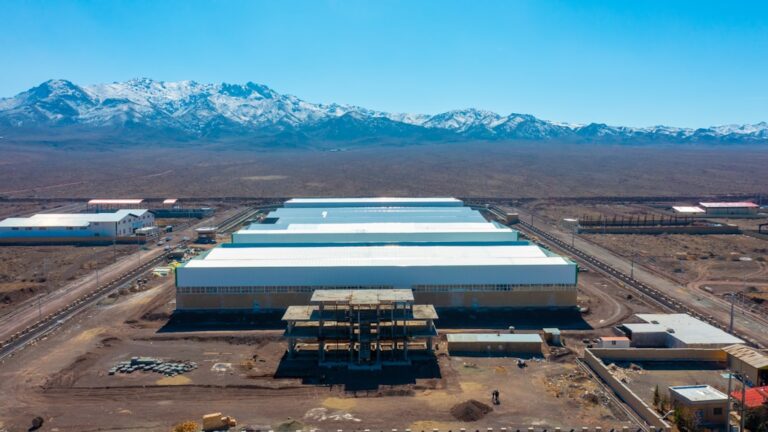
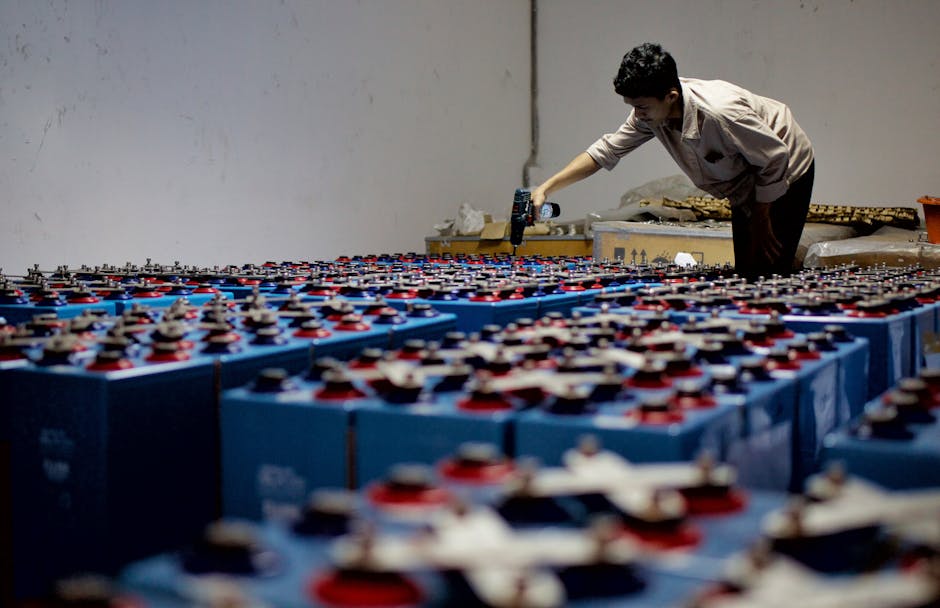
The new manufacturing facility will be located in Talegaon, Maharashtra, spanning a 7-acre site. Neuron Energy has committed an investment of INR 100 crore to develop the plant, which is designed to be a fully automated, robotic facility. Once fully operational, the plant will boast an annual production capacity of 5 GWh, with the capability to manufacture up to 1,000 containerised BESS units per year. The company intends to create over 500 direct and indirect jobs, focusing on roles in engineering, system integration, and technical services.
What This Means for EPCs and Developers
For EPC contractors and renewable energy developers, the availability of locally manufactured containerised BESS units is a significant development. As India moves toward more complex tenders requiring firm, dispatchable power, the domestic availability of high-performance storage solutions reduces reliance on imports and helps mitigate supply chain risks. Neuron Energy’s go-to-market strategy specifically targets solar developers, commercial and industrial (C&I) clients, and utilities, offering a potential new vendor for large-scale storage projects.
What Happens Next
Neuron Energy plans to balance its output with a business mix of 60% domestic and 40% export markets. The company is expected to leverage its existing battery technology expertise to scale its storage portfolio. Industry stakeholders should monitor the facility’s construction progress and the subsequent launch of its containerised product line to evaluate its competitiveness in upcoming utility-scale storage auctions.