⚡ Quick Read
- What happened: The MNRE is pushing for a stronger administrative role in renewable governance, while CERC has integrated energy storage into the tariff framework for thermal plants.
- Why it matters: These shifts provide long-awaited regulatory clarity for hybrid storage projects and signal a move toward more streamlined national oversight for developers.
- Watch: The resolution of the Maharashtra rooftop solar capacity dispute and the implementation of CERC’s new tariff regulations for storage.
Background and Context
The Ministry of New and Renewable Energy (MNRE) has formally requested a more robust role in the governance of India’s renewable energy sector. As the nation accelerates toward its ambitious net-zero targets, the Ministry has emphasized the need for greater institutional clarity to manage the expanding scale of the industry. Addressing a parliamentary standing committee, the MNRE clarified that while it seeks enhanced administrative authority, it does not currently view a separate ‘Renewable Energy Act’ as necessary. The Ministry maintains that since renewable power is integrated into the national grid, it remains effectively governed by the existing Electricity Act, 2003.
Key Details
Simultaneously, the Central Electricity Regulatory Commission (CERC) has taken a significant step toward grid modernization. Through the ‘Terms and Conditions of Tariff (Second Amendment) Regulations, 2026,’ the CERC has officially brought integrated energy storage systems—co-located with coal, lignite, or gas-based thermal plants and inter-state transmission systems—under the national tariff framework. This move establishes a definitive regulatory pathway for the approval, cost recovery, operation, and billing of storage assets, which has been a major hurdle for developers.
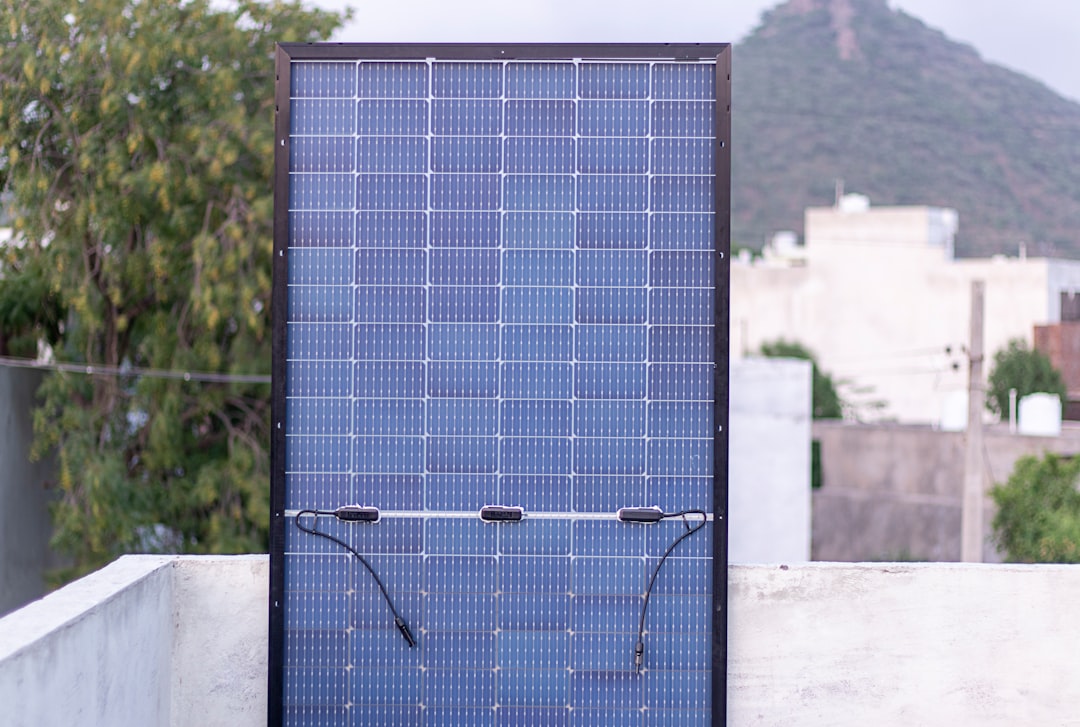
In a separate development, the MNRE has intervened in Maharashtra regarding rooftop solar policy. The Ministry has requested the state government to withdraw restrictions imposed by the Maharashtra State Electricity Distribution Company (MSEDCL). Since February 12, 2026, MSEDCL has been processing rooftop solar proposals based on average electricity consumption rather than the approved load, a move the MNRE views as detrimental to the PM Surya Ghar: Muft Bijli Yojana. The economic case for rooftop solar remains strong, highlighted by General Mills India’s 600 kW project in Malegaon, which yields annual savings of over ₹7.5 million, and the L&T South City apartment complex in Bengaluru, which reduced common-area power costs by 30-40% via a 500 kW system.
What This Means for EPCs and Developers
For EPC contractors and developers, these developments offer a mixed landscape. The CERC’s tariff framework for energy storage is a major positive, providing the financial predictability required to bankroll large-scale hybrid and storage projects. Conversely, the policy friction in Maharashtra creates uncertainty for rooftop solar installers. EPC firms operating in the C&I space must navigate these shifting state-level consumption-based norms while leveraging the proven ROI of rooftop installations to maintain project pipelines.
What Happens Next
The industry is now awaiting the Maharashtra government’s response to the MNRE’s directive regarding rooftop solar capacity. Furthermore, the market will closely monitor the first wave of projects utilizing the new CERC tariff framework for energy storage, as this will set the precedent for future cost-recovery mechanisms in the thermal-renewable hybrid space.