⚡ Quick Read
- What happened: Madhya Pradesh saw a 142% year-over-year growth in solar open access capacity in 2025, with open access now accounting for 23% of the state’s large-scale solar installations.
- Why it matters: Rising grid tariffs and export market sustainability mandates are driving C&I consumers to prioritize rooftop solar, captive projects, and battery energy storage to optimize costs.
- Watch: Further integration of battery energy storage systems (BESS) as businesses look to mitigate intermittency and capitalize on time-of-day tariff structures.
Background and Context
India’s commercial and industrial (C&I) sector is undergoing a significant transition as businesses increasingly turn to renewable energy to hedge against volatile grid electricity costs and meet stringent sustainability mandates. Madhya Pradesh has emerged as a key hub for this transition, currently ranking eighth in India for cumulative installed open-access solar capacity. With the state aiming for a 50% renewable energy share in its power mix by 2030, the regulatory environment is becoming increasingly conducive to private investment.
Key Details
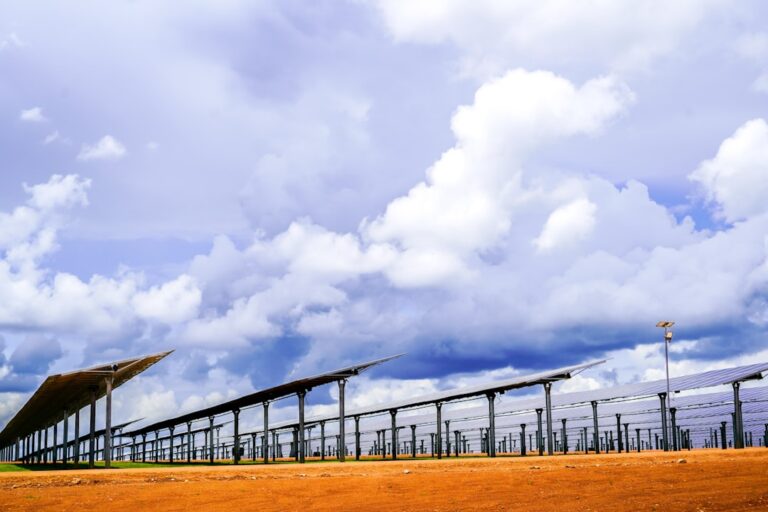
The growth trajectory in Madhya Pradesh is underscored by a 142% year-over-year surge in solar open access capacity recorded in 2025. According to industry insights, C&I consumers are adopting a phased approach to renewable integration. For businesses with a contracted demand of up to 1 MW, rooftop or ground-mounted systems utilizing net metering remain the primary entry point. For larger entities with demand exceeding 1 MW, behind-the-meter captive projects are becoming the preferred mechanism to ensure consistent power supply.
Beyond basic solar adoption, there is a growing shift toward integrating battery energy storage systems (BESS). Experts note that BESS is evolving from a secondary technology to a primary component of energy strategy, allowing businesses to store daytime solar generation for use during peak tariff hours. This is particularly critical as states move toward time-of-day (ToD) tariff structures, which penalize peak-hour grid consumption.
What This Means for EPCs and Developers
For EPC contractors and developers, the Madhya Pradesh market offers a robust pipeline of C&I projects. The demand is no longer driven solely by cost savings; it is now heavily influenced by global export dynamics. Businesses exporting to Europe are finding that products manufactured using renewable energy command a price premium of $1–$2, effectively making green energy adoption a competitive necessity rather than a discretionary expense. Developers should focus on offering integrated solutions that combine solar generation with storage, as clients with constant power loads are increasingly seeking reliable, round-the-clock green energy solutions to maximize their carbon credit generation and ESG compliance.
What Happens Next
As the state continues to refine its open access policies, the focus will likely shift toward the scalability of storage-integrated projects. EPCs should prepare for increased demand for hybrid systems that can navigate the complexities of hourly demand sizing. Furthermore, as more C&I units align their operations with international sustainability standards, the demand for transparent, traceable green energy procurement will continue to rise, providing a long-term growth runway for developers active in the region.