⚡ Quick Read
- What happened: Blockchain technology is being deployed to facilitate peer-to-peer (P2P) solar energy trading, allowing households to sell surplus rooftop power directly to neighbors without utility intervention.
- Why it matters: For developers and EPCs, this decentralized model creates new revenue streams and business opportunities in the burgeoning prosumer market by automating settlements via smart contracts.
- Watch: Further regulatory frameworks and the integration of IoT-enabled smart meters with blockchain ledgers in upcoming Indian pilot projects.
Background and Context
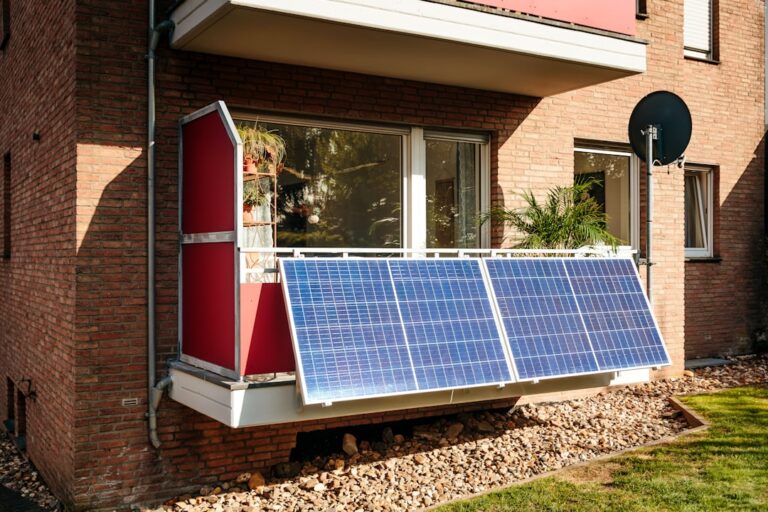
The traditional electricity model, characterized by centralized utility management, is undergoing a structural shift. As rooftop solar installations become increasingly affordable and prevalent, households are transitioning into ‘prosumers’—entities that both produce and consume energy. This shift has paved the way for peer-to-peer (P2P) energy trading, a decentralized system where excess electricity generated from rooftop solar is traded directly between community members.
However, the transition to a decentralized energy market faces a significant hurdle: the trust deficit. Unlike centralized systems where utilities act as the sole arbiter of billing and dispute resolution, P2P models require a transparent, tamper-proof mechanism to ensure fair transactions between strangers.
Key Details
Blockchain is emerging as the foundational technology to solve this trust deficit. By utilizing a shared, immutable ledger, blockchain allows for the recording and verification of energy transactions without the need for a central authority. Every trade is transparent, and once recorded, it cannot be altered retroactively, significantly reducing the scope for manipulation or disputes.
The system relies heavily on two primary technological components:
- Smart Contracts: These are self-executing codes that automatically trigger payments once electricity delivery is confirmed. This removes the need for intermediaries and ensures that trust is placed in the system’s logic rather than a third party.
- IoT-enabled Smart Meters: These devices are essential for capturing real-time generation and consumption data. This data is fed directly into the blockchain, enabling instantaneous verification and automated settlement of energy trades.
Furthermore, blockchain provides end-to-end traceability, allowing buyers to verify the renewable origin of the electricity they purchase—a critical feature for carbon accounting and sustainability reporting.
What This Means for EPCs and Developers
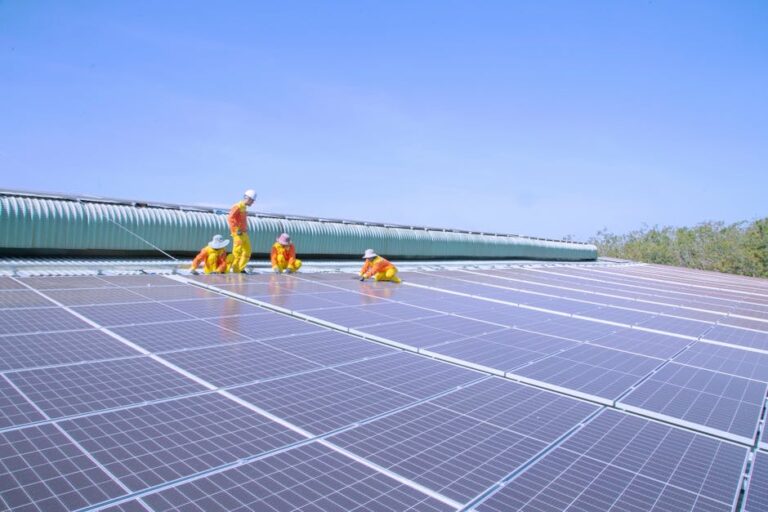
For EPC contractors and solar developers, the integration of blockchain into P2P trading represents a move toward more sophisticated, value-added service offerings. Developers are no longer just installing hardware; they are increasingly involved in the digital ecosystem that manages the energy produced by that hardware. By incorporating blockchain-ready smart metering into their project designs, EPCs can offer clients a future-proof solution that enables participation in local energy markets, thereby increasing the ROI of rooftop solar installations.
What Happens Next
While pilot projects in India have already demonstrated the feasibility of blockchain-enabled solar trading, the next phase involves scaling these models beyond localized experiments. The industry is now watching for broader regulatory acceptance and the standardization of smart meter data protocols. As carbon accounting becomes more stringent for businesses and residential consumers alike, the demand for verifiable, blockchain-backed renewable energy will likely drive further innovation in the energy trading space.