⚡ Quick Read
- What happened: India added 547 MWh of battery energy storage in 2025, a 26% YoY increase, while CERC finalized multiple solar-plus-storage tariffs.
- Why it matters: Regulatory clarity on tariffs for storage-linked projects provides the financial certainty required for developers to scale capital-intensive hybrid energy assets.
- Watch: Future CERC rulings on trading margins and the implementation of green hydrogen pilot projects in the steel sector.
Background and Context
The Indian energy landscape witnessed significant momentum in 2025, characterized by robust growth in energy storage infrastructure and decisive regulatory interventions. According to the latest data from Mercom India Research, the nation added 547 MWh of battery energy storage capacity in 2025, marking a 26% year-over-year increase from the 433 MWh recorded previously. This growth is driven by a broader shift among commercial and industrial (C&I) consumers who are increasingly turning to renewable energy to hedge against rising grid tariffs and meet stringent sustainability mandates.
Key Details
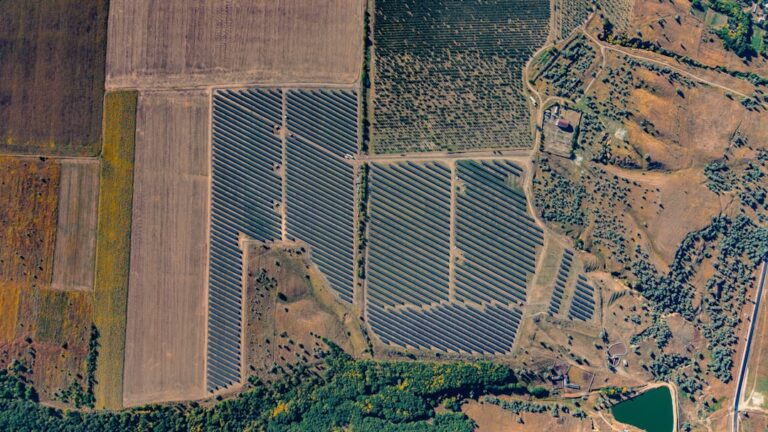
The Central Electricity Regulatory Commission (CERC) has played a pivotal role in stabilizing the market by formalizing tariffs for large-scale projects. Notably, the commission adopted a tariff of ₹2.45/kWh for SECI’s 1,200 MW solar projects, rejecting a higher proposal of ₹2.57/kWh. A similar tariff of ₹2.45/kWh was approved for SJVN Green Energy’s 1,000 MW project in Bikaner, Rajasthan.
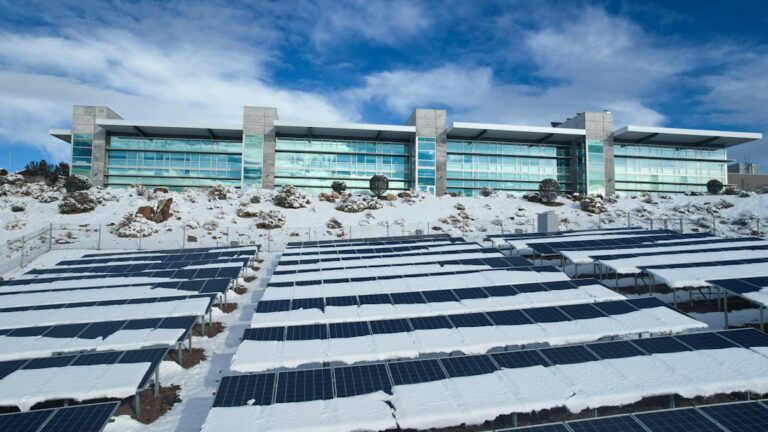
Storage-linked projects also saw regulatory movement. CERC approved tariffs of ₹2.86/kWh and ₹2.87/kWh for SECI’s 2,000 MW solar capacity coupled with 1,000 MW/4,000 MWh of storage (Tranche XX). Furthermore, for SJVN’s 1.2 GW interstate transmission system-connected solar projects with 600 MW/2.4 GWh storage, the commission adopted tariffs of ₹3.32/kWh and ₹3.33/kWh. In a significant ruling regarding trading margins, the CERC capped the margin at ₹0.02/kWh in the absence of adequate payment security, overriding SJVN’s request for a ₹0.07/kWh margin.
What This Means for EPCs and Developers
For EPC contractors and developers, these developments signal a transition toward more complex, hybrid project structures. The approval of specific tariffs for solar-plus-storage projects provides a clear benchmark for project viability. However, the CERC’s strict stance on trading margins suggests that developers must prioritize robust payment security mechanisms to ensure favorable commercial terms. The push for green hydrogen in the steel sector, evidenced by MECON’s recent expression of interest, opens a new frontier for EPC firms specialized in industrial decarbonization and green hydrogen infrastructure.
What Happens Next
The industry is now looking toward the implementation of the National Green Hydrogen Mission’s skilling components and the execution of the power purchase agreements (PPAs) for the recently approved solar-plus-storage projects. With CERC actively managing tariff adoption and trading margins, stakeholders should anticipate a more standardized, albeit tightly regulated, bidding environment. EPC firms should prepare for increased demand in integrated storage solutions as C&I adoption of green open access continues to accelerate.