⚡ Quick Read
- What happened: A new IESA and CES whitepaper forecasts India’s stationary energy storage capacity will reach 346 GWh by 2033, supported by 92 GWh of projects currently in the pipeline.
- Why it matters: The rapid surge in BESS tenders—up 35% year-on-year—signals a massive shift toward storage-integrated renewable projects, offering new EPC opportunities in grid-scale deployments.
- Watch: Monitor the impact of Energy Storage Obligations (ESO) and Viability Gap Funding (VGF) on project bankability and tender conversion rates.
Background and Context
India is undergoing a fundamental transformation in its power sector, driven by the need to manage grid demand swings that now reach up to 90 GW. As the nation pushes toward its target of 500 GW of non-fossil fuel generation capacity by 2030, the integration of large-scale energy storage has transitioned from an optional luxury to a grid-critical necessity. The Indian Energy Storage Alliance (IESA), in partnership with Customized Energy Solutions (CES), recently released a whitepaper at the Stationary Energy Storage India (SESI) 2026 conference, outlining the roadmap for this transition.
Key Details
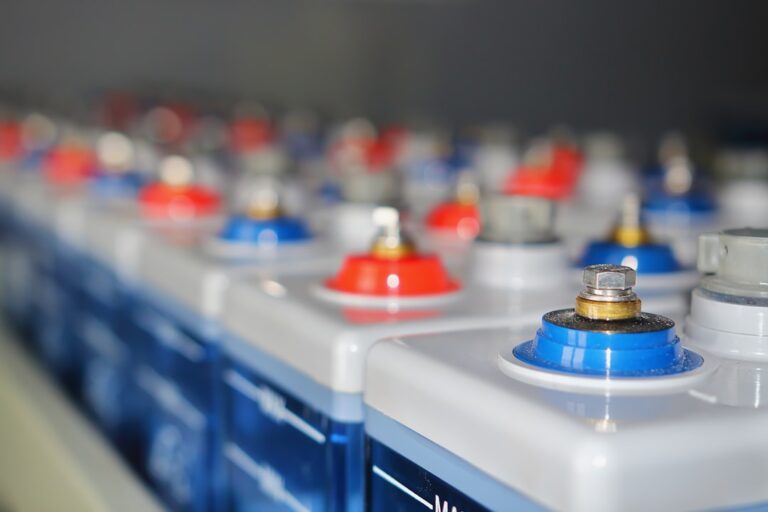
The report highlights a dramatic acceleration in the sector, with cumulative installed stationary energy storage capacity projected to grow from less than 1 GWh today to 346 GWh by 2033 under a base scenario. If current policy momentum persists, this figure could climb as high as 544 GWh. The project pipeline is already robust, with 92 GWh of Battery Energy Storage System (BESS) projects currently in development.
Market activity has intensified significantly, with 69 new BESS tenders launched in the past year alone, totaling 102 GWh. This represents a 35% increase over 2024 figures and nearly doubles the annual tender volume. Furthermore, Pumped Hydro Energy Storage (PHES) is set for a major expansion, with capacity expected to rise from 7 GW in 2025 to 107 GW by 2033.
What This Means for EPCs and Developers
For EPC contractors and developers, the data confirms that the market is maturing rapidly. The acceleration is underpinned by a supportive regulatory framework, including the formal recognition of storage in the Electricity Amendment Rules 2025 and the implementation of Energy Storage Obligations (ESO). Developers can expect improved project bankability due to Viability Gap Funding (VGF) and 100% ISTS charge waivers, which are actively lowering the cost of entry and operation for large-scale storage assets.
What Happens Next
The industry is now entering a phase where strategic execution is paramount. With grid flexibility becoming the primary focus for GRID India, developers should prepare for a sustained flow of tenders that prioritize round-the-clock (RTC) power solutions. As technology costs continue to decline, the focus will shift toward optimizing BESS and PHES integration to unlock new value streams within the national grid. Stakeholders should closely track the rollout of state-specific ESO mandates, as these will likely dictate the next wave of regional project procurement.
Original source: PV Magazine India
| Rewritten by MVA Pulse AI Editor