⚡ Quick Read
- What happened: The Himachal Pradesh Electricity Regulatory Commission (HPERC) has marginally reduced energy charges across domestic, commercial, industrial, and EV charging categories for FY 2026-27, effective April 1, 2026.
- Why it matters: While the reductions are incremental, they signal a stable regulatory environment that helps C&I consumers and developers plan long-term investments in energy efficiency and captive solar projects.
- Watch: Monitor how these tariff adjustments influence the adoption rate of rooftop solar and EV charging infrastructure in the state.
Background and Context
The Himachal Pradesh Electricity Regulatory Commission (HPERC) has finalized its tariff order for the financial year 2026-27. In a move aimed at providing marginal relief to various consumer segments, the commission has implemented slight reductions in energy charges across the board. These changes, which take effect from April 1, 2026, reflect the regulator’s ongoing efforts to balance utility financial health with consumer affordability in the Himalayan state.
Key Details
The tariff revisions cover a broad spectrum of consumers, including domestic, commercial, and industrial entities, as well as the emerging electric vehicle (EV) charging sector.
Domestic Consumers: For lifeline consumers (0-60 units), charges dropped to ₹4.71/kWh from ₹4.72/kWh. For higher consumption brackets, such as 126-300 units and above 301 units, rates were reduced to ₹5.89/kWh from the previous ₹5.90/kWh. Fixed charges remain unchanged across all domestic tiers.
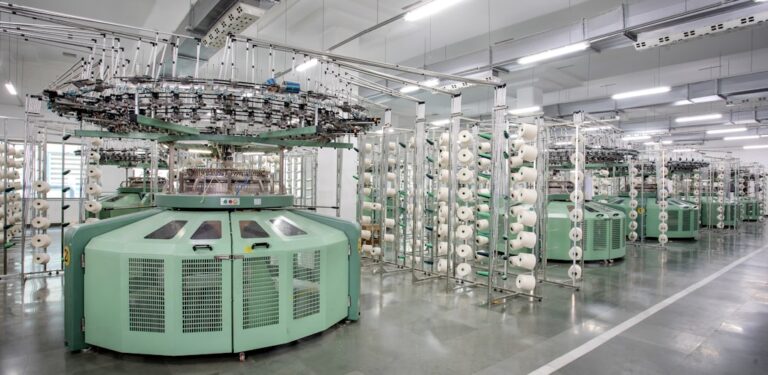
Commercial and Industrial: Commercial consumers with demand above 100 kVA will now pay ₹6.20/kWh, down from ₹6.21/kWh. Industrial consumers with demand exceeding 1 MVA saw a reduction to ₹5.60/kWh from ₹5.61/kWh. Notably, the commission has maintained its incentive structure for new industries and expansions initiated between March 2023 and March 2025, offering a 15% discount on energy charges for a three-year period.
Electric Vehicles: Recognizing the importance of green mobility, the HPERC reduced energy charges for public EV charging stations to ₹6.78/kWh, down from ₹6.79/kWh.
What This Means for EPCs and Developers
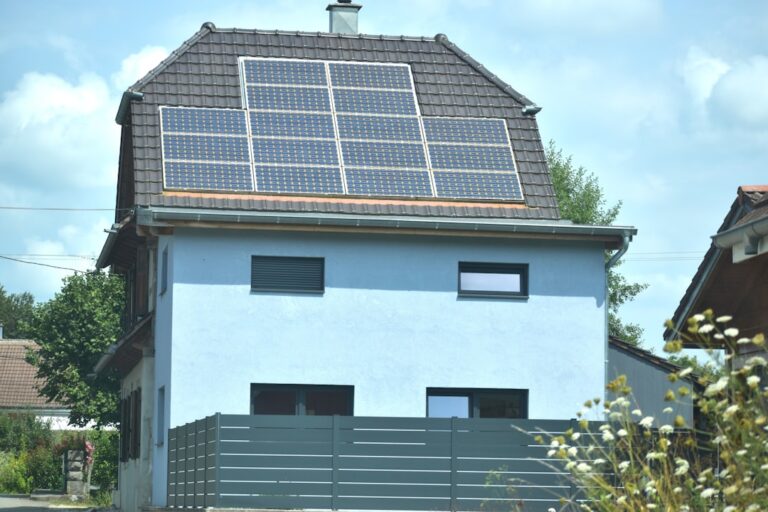
For EPC contractors and solar developers, the stability of these tariffs is a critical metric. While the reduction in grid power costs is minimal, the retention of fixed charges and the continuation of incentives for new industrial units provide a predictable landscape for pitching captive solar and energy efficiency solutions. Developers focusing on the C&I sector should leverage the 15% discount policy for new industries as a value-add when proposing rooftop solar installations, as these businesses are actively looking to optimize their operational expenditure.
What Happens Next
The industry will now monitor the actual impact of these tariffs on the state’s distribution utility’s revenue. Furthermore, stakeholders should observe whether the marginal reduction in EV charging tariffs, combined with broader state-level EV policies, accelerates the deployment of fast-charging infrastructure along major transit corridors in Himachal Pradesh. EPC firms should prepare for increased inquiries from industrial clients looking to hedge against future tariff volatility through long-term renewable energy procurement.