⚡ Quick Read
- What happened: The GERC has extended the existing ₹1.50/kWh banking charge for green energy open access projects in Gujarat until June 30, 2026.
- Why it matters: This extension provides critical short-term regulatory stability for C&I developers and investors operating in one of India’s top solar open access markets.
- Watch: Future regulatory orders defining the banking charge structure and tariff levels beyond the June 2026 deadline.
Background and Context
The Gujarat Electricity Regulatory Commission (GERC) has officially amended its 2024 Green Energy Open Access Regulations to extend the current banking charge framework. Originally set to expire in March 2026, the ₹1.50 (~$0.0159)/kWh banking charge will now remain in effect until June 30, 2026. This decision follows a proposal initiated by the Commission in March 2025 to ensure continuity in the state’s open access ecosystem.
Key Details
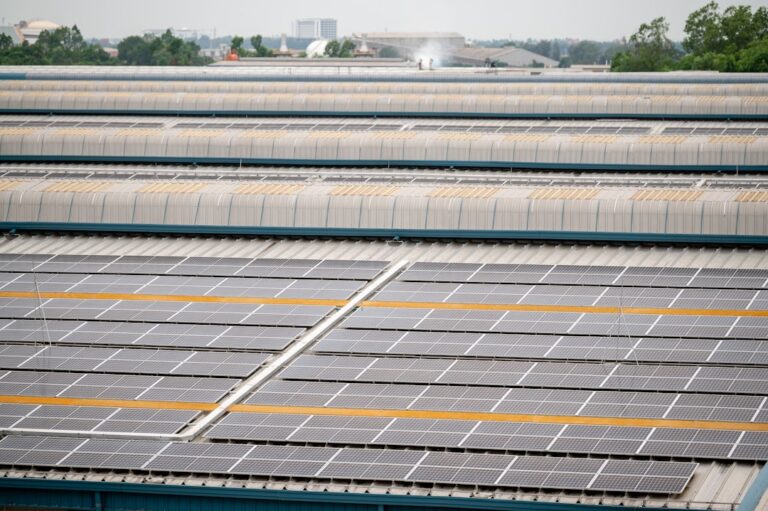
The amendment strictly concerns the extension of the banking charge timeline. All other operational parameters, including eligibility criteria, settlement mechanisms, and existing banking conditions, remain unchanged. Under the current framework, Gujarat permits daily energy banking for solar projects specifically between 7 am and 6 pm. For wind and wind-solar hybrid projects, the state allows for monthly energy banking. Additionally, consumers are permitted to bank up to 30% of their total monthly power consumption from the distribution company (DISCOM).
It is important to note that these banking provisions are not applicable to projects operating under the Renewable Energy Certificate (REC) mechanism, which remain subject to time-of-day and real-time metering requirements. Gujarat continues to be a dominant force in the renewable energy sector, securing the fourth position in India for solar open access capacity additions in 2025, contributing 11.6% to the national total of 7.8 GW.
What This Means for EPCs and Developers
For EPC contractors and solar developers, this extension serves as a vital bridge, mitigating the risk of sudden policy shifts that could disrupt project financial models. By maintaining the status quo, the GERC has provided a predictable environment for ongoing C&I projects. Developers can continue to leverage the existing banking framework to optimize their power procurement strategies, knowing that the cost structure for energy banking will not fluctuate until at least mid-2026.
What Happens Next
While the extension offers immediate relief, the long-term regulatory outlook remains fluid. The Commission has not yet disclosed the methodology or the specific tariff structure that will govern banking charges post-June 2026. This implies that a separate regulatory process will be initiated in the coming months to determine the framework for the second half of 2026 and beyond. Stakeholders are advised to monitor future GERC notifications closely, as these will dictate the long-term viability of open access projects in the state.