⚡ Quick Read
- What happened: The green ammonia sector has transitioned from pilot projects to a mature industrial phase in 2026, characterized by declining electrolyzer costs and complex, large-scale plant integration.
- Why it matters: EPC contractors must now manage multi-disciplinary engineering interfaces, including renewable power integration, cryogenic air separation, and high-hazard chemical safety protocols.
- Watch: The shift toward modular fabrication and hybrid renewable energy configurations to mitigate the intermittency of solar and wind power in chemical production.
Background and Context
By 2026, the green hydrogen and green ammonia industry has evolved from early-stage policy ambitions into a fully mobilized industrial program. With renewable energy now established as the most affordable electricity source globally and electrolyzer costs experiencing a sharp decline, the sector is entering a decisive phase. The focus has shifted from feasibility studies to the delivery of bankable, operating assets across diverse global environments.
Key Details
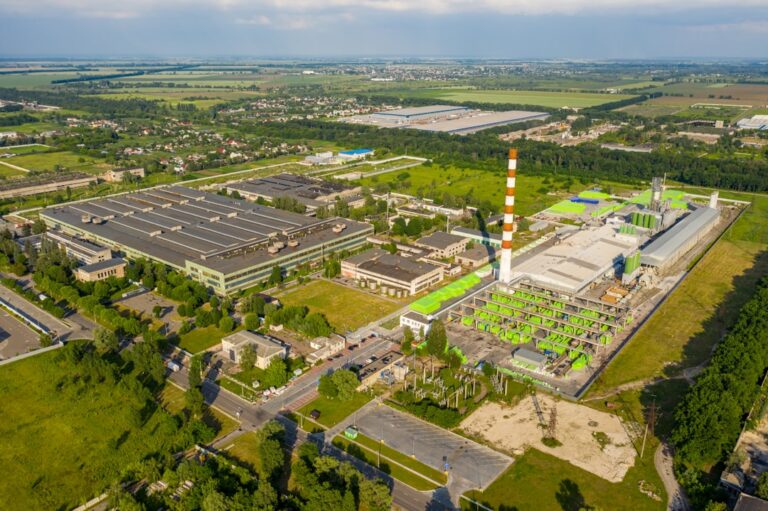
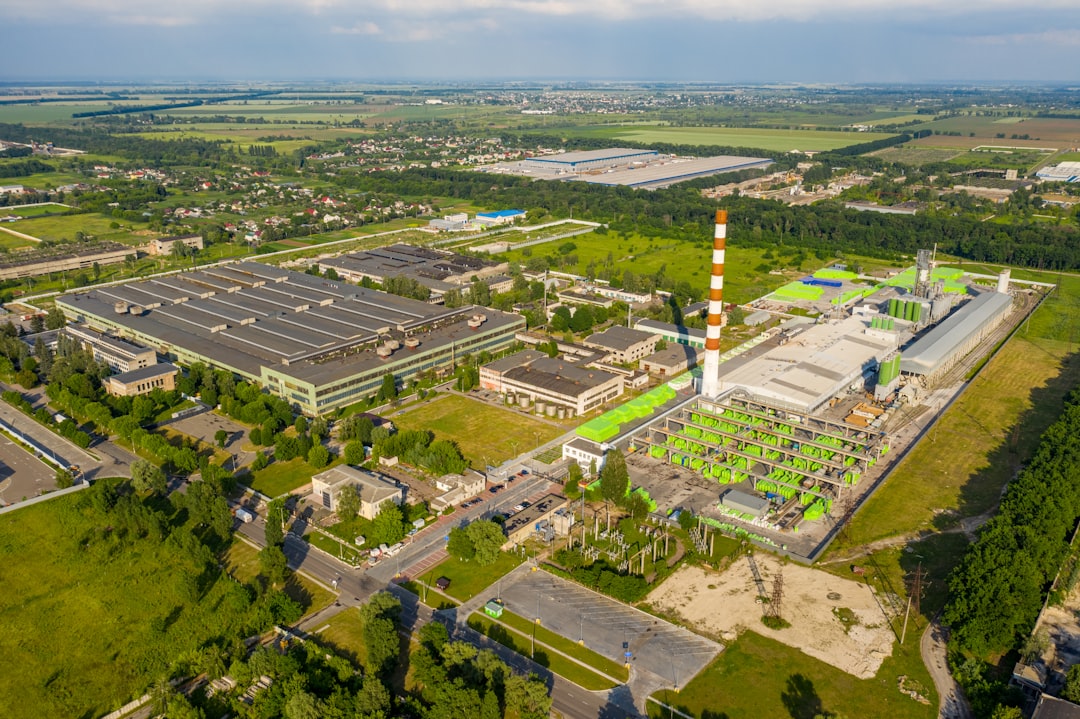
Green ammonia facilities represent some of the most complex process plants in modern chemical engineering. Successful execution requires the seamless integration of gigawatt-scale renewable energy, alkaline or PEM electrolysis systems, hydrogen compression, buffer storage, and cryogenic air separation for nitrogen. Furthermore, these plants must incorporate refrigerated ammonia storage and marine loading infrastructure.
Leading EPC contractors are addressing these challenges through integrated engineering capabilities and modular fabrication. By completing significant portions of the facility in controlled factory environments, firms can ensure higher quality and faster site deployment. Critical safety measures, including HAZOP studies, SIL-rated Safety Instrumented Systems (SIS), and emergency shutdown protocols, are now standard requirements for these high-hazard environments.
What This Means for EPCs and Developers
For EPC contractors, the primary challenge lies in the management of complex interfaces. Project success is increasingly dependent on early technology selection—specifically the choice between alkaline and PEM electrolyzers and the standardization of the ammonia synthesis loop. Developers must also account for bankability factors, such as renewable cost assumptions, electrolyzer replacement intervals, and export-linked pricing, which dictate long-term project viability.
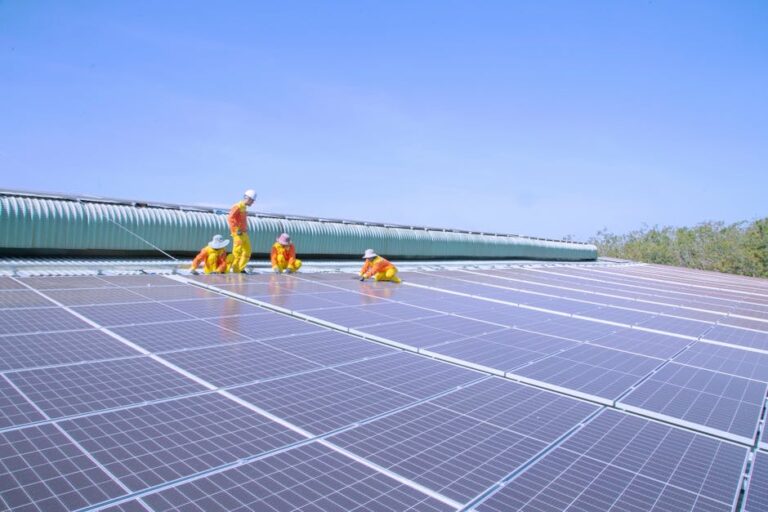
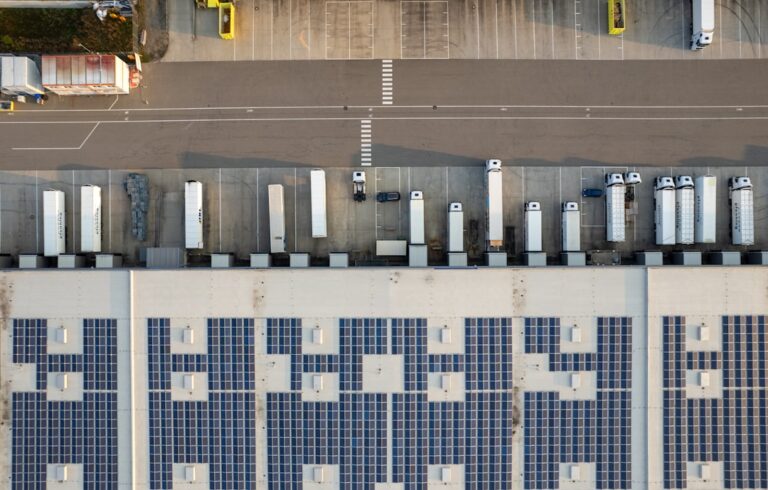
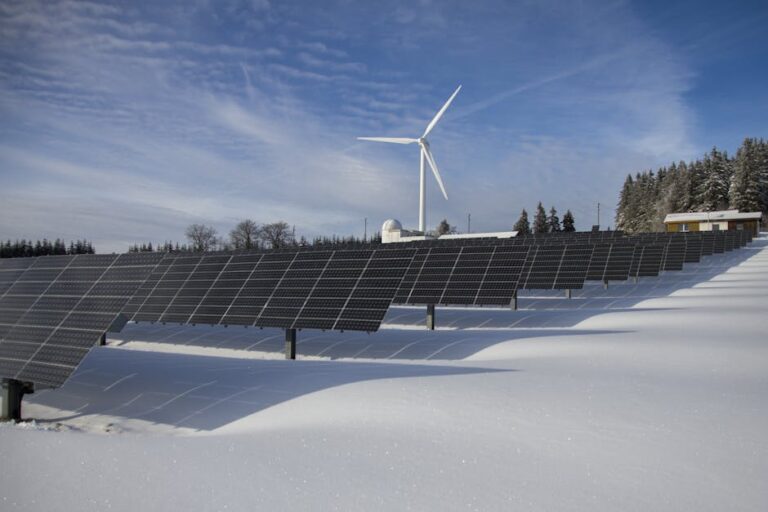
A major technical hurdle is the integration of variable renewable energy with continuous chemical processes. Intermittent power fluctuations can degrade electrolyzer performance and compromise production economics. To counter this, advanced power conditioning and energy management architectures are being deployed. Hybrid configurations, which combine solar and wind assets with complementary generation profiles, are becoming the preferred method to achieve the higher capacity factors necessary for stable, continuous ammonia production.
What Happens Next
As the industry scales, the focus will intensify on standardizing execution models for both greenfield and brownfield projects. The ability to manage power intermittency through hybrid renewable architectures will become a key differentiator for developers. Future project pipelines will likely prioritize sites that offer the most consistent renewable profiles to ensure the economic feasibility of large-scale green ammonia synthesis.