⚡ Quick Read
- What happened: Doral Renewables finalized $900 million in financing for its 430 MWac solar and 340 MWh BESS project in Texas, while Zelestra secured $600 million for 440 MW of solar capacity.
- Why it matters: These massive capital inflows signal robust investor confidence in hybrid solar-plus-storage models, a trend increasingly relevant for large-scale Indian developers eyeing similar integrated assets.
- Watch: Monitor the deployment timelines of these projects as benchmarks for BESS integration efficiency and long-term PPA stability in competitive markets.
Background and Context
The global renewable energy landscape is witnessing a significant shift toward capital-intensive, hybrid projects that integrate solar generation with battery energy storage systems (BESS). Recent financial closures highlight a trend where developers are securing substantial green financing to de-risk large-scale utility projects. This movement is driven by the need for grid stability and the increasing demand for 24/7 renewable power, particularly in markets like Texas and Europe.
Key Details
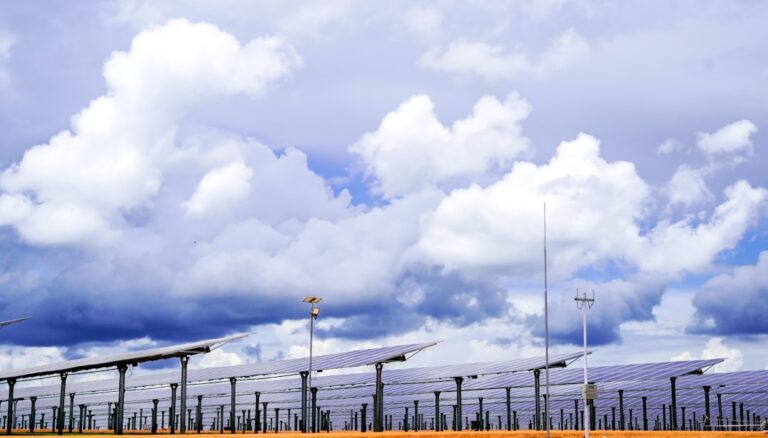
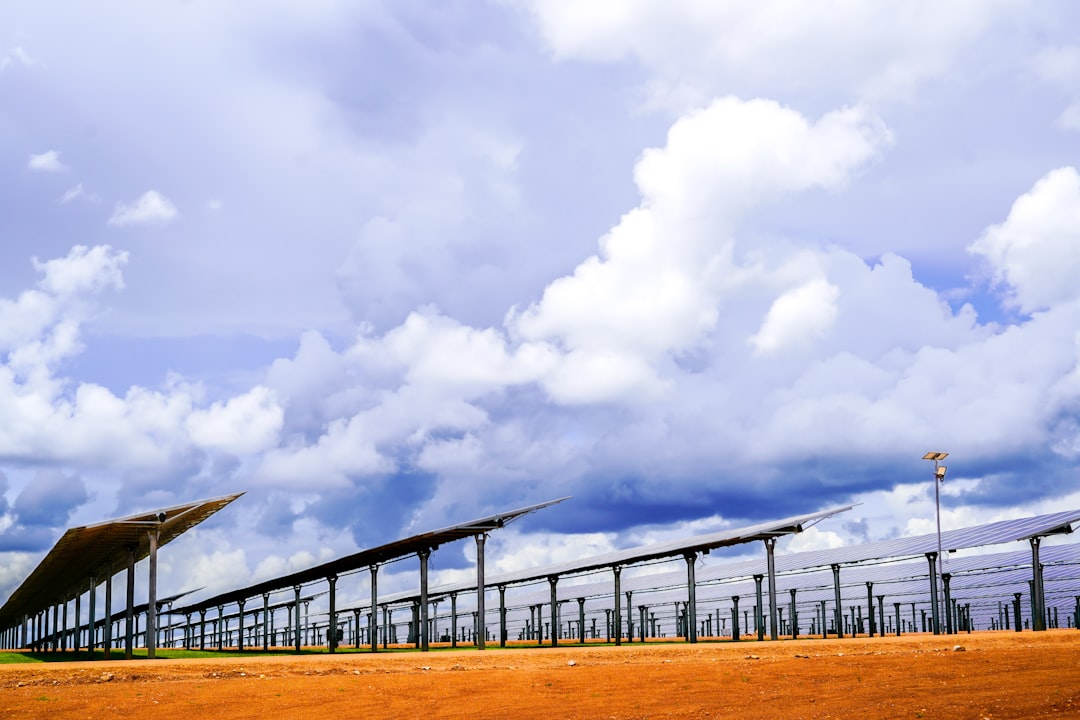
Doral Renewables has successfully closed a $900 million financing package for the Cold Creek solar-plus-storage project located in Schleicher and Tom Green Counties, Texas. The project, which recently received its notice to proceed, comprises 430 MWac of solar capacity and 340 MWh of BESS, with commercial operations targeted for summer 2028. Simultaneously, Zelestra has secured $600 million in green financing from Société Générale and HSBC for two Texas-based projects: the 252 MW Echols Gove project and the 187 MW Cedar Range solar project, both supported by long-term PPAs with Meta.
Other notable market movements include Whysol Renewables securing €319 million (~$369.62 million) for 328 MW of agrivoltaic and storage projects in Italy. Additionally, Leeward Renewable Energy acquired the 350 MW Harvey Solar Project in Ohio, while Energy Vault and Banpu Power US Corporation made strategic moves in the Texas ERCOT market, focusing on BESS assets ranging from 100 MW to 175 MW.
What This Means for EPCs and Developers
For Indian EPC contractors and developers, these international developments underscore the critical importance of hybrid project expertise. As India pushes toward its ambitious renewable targets, the integration of BESS into utility-scale solar projects is becoming a prerequisite for grid-connected tenders. The ability to secure project financing is increasingly tied to the technical viability of storage solutions and the strength of long-term off-take agreements. Indian firms should observe how global developers manage the supply chain and construction risks associated with large-scale BESS deployment.
What Happens Next
The industry will closely monitor the construction phases of these projects, particularly the Cold Creek and Echols Gove developments. As these projects move toward their 2026-2028 commercial operation dates, the performance data regarding BESS efficiency and grid integration will provide vital benchmarks. Developers should also track the financing models utilized by these firms, as similar green-financing structures may become more prevalent in the Indian market as the sector matures and storage costs decline.