⚡ Quick Read
- What happened: Germany’s February 2026 rooftop PV tender saw 155 MW awarded across 85 bids, falling significantly short of expectations, while onshore wind tenders were oversubscribed by over 2x with 7,858 MW in bids.
- Why it matters: The divergence between solar and wind appetite in Europe signals shifting investor priorities and potential supply chain bottlenecks that Indian developers should monitor for global market trends.
- Watch: Future tender participation rates in Germany and the impact of falling wind price averages on global turbine procurement costs.
Background and Context
The German energy market, a global bellwether for renewable energy policy, recently concluded its latest round of procurement auctions. The Bundesnetzagentur (Federal Network Agency) released data for the February 1, 2026, auction cycle, revealing a stark contrast between the performance of rooftop solar photovoltaic (PV) systems and onshore wind projects. While solar interest appears to be cooling, the onshore wind sector is experiencing a surge in developer participation.
Key Details
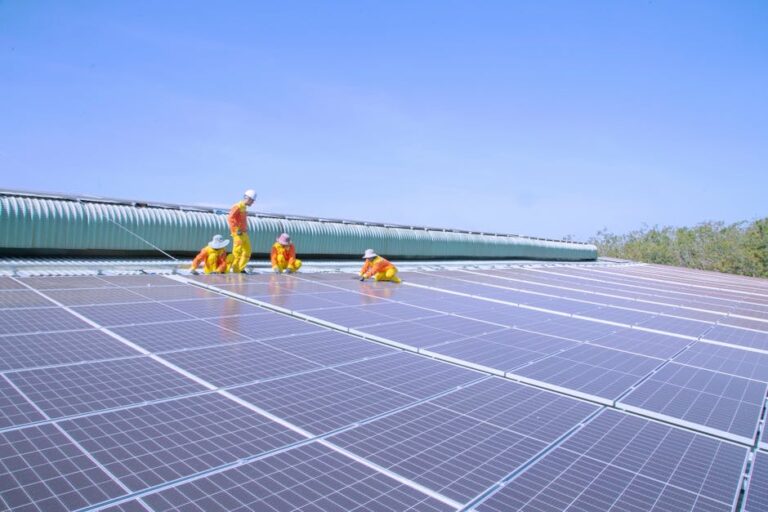
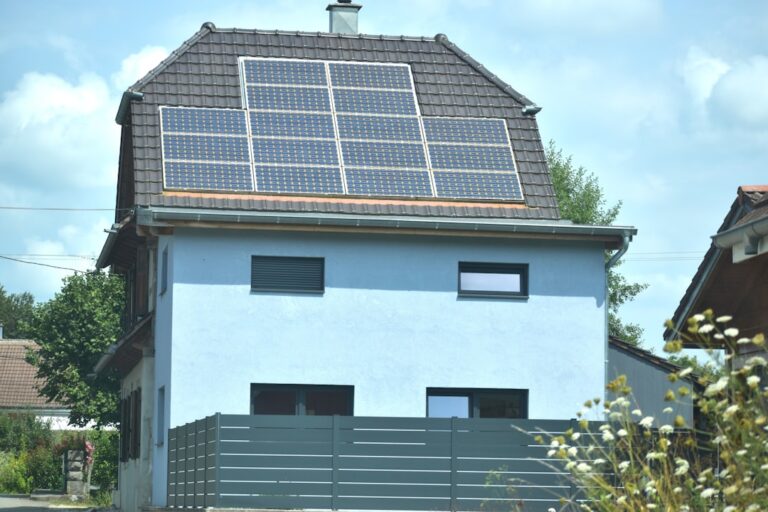
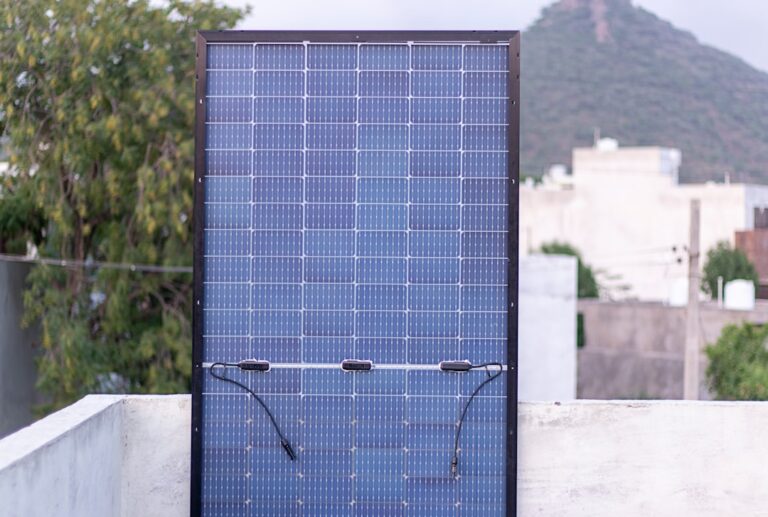
For the rooftop PV tender, the Bundesnetzagentur received 98 bids totaling 177 MW. However, 13 bids were disqualified due to formal errors, resulting in 85 successful contracts totaling 155 MW. The volume-weighted average award price was €0.0956/kWh, a marginal decrease from the €0.0966/kWh recorded in October 2025. This result is notable given that the tender was undersubscribed, whereas the previous round attracted 310 MW in bids. North Rhine-Westphalia led the regional distribution with 50 MW awarded across 24 projects.
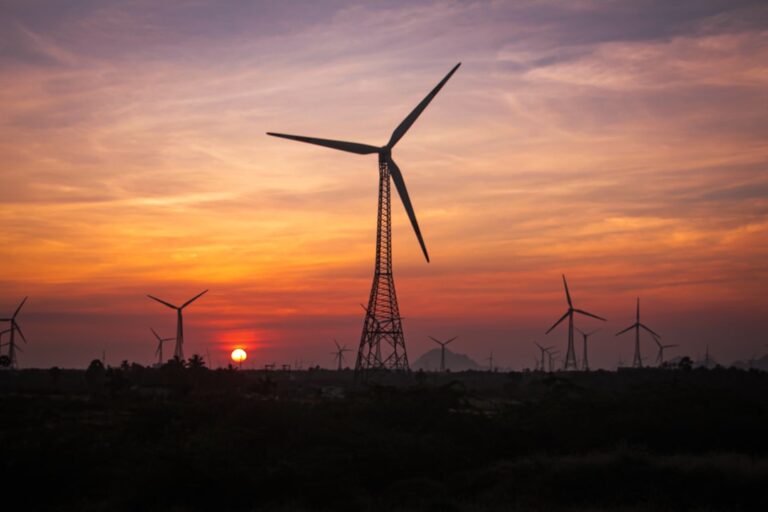
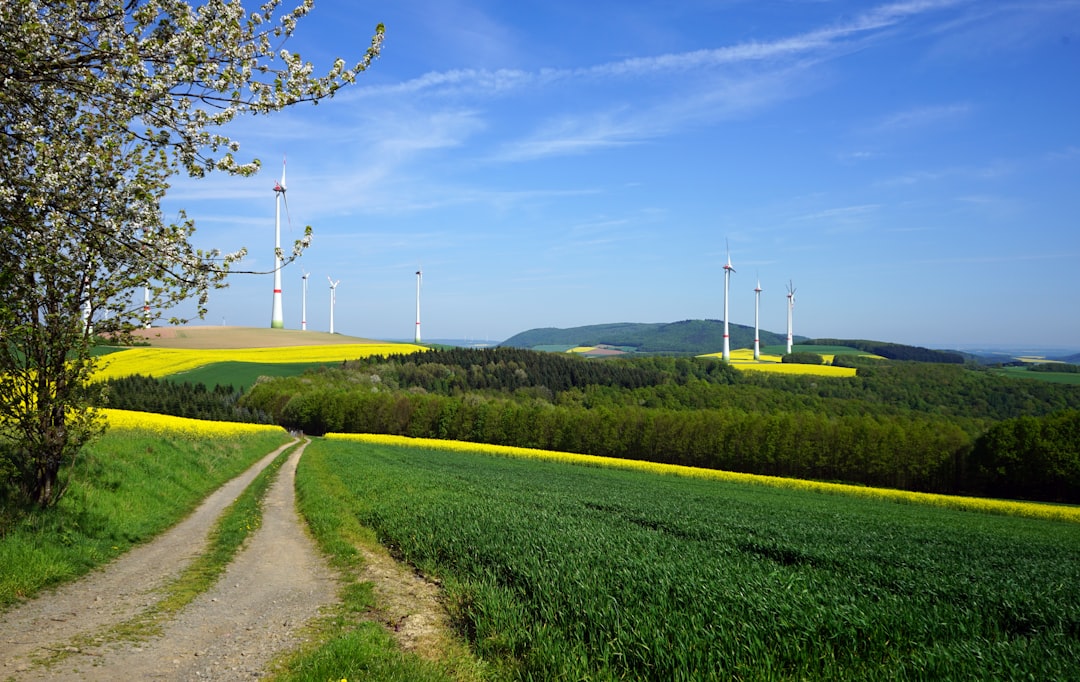
Conversely, the onshore wind tender demonstrated robust health, receiving 924 bids totaling 7,858 MW against a tender volume of 3,445 MW. The agency awarded 439 contracts totaling 3,345 MW. Notably, the volume-weighted average price for wind dropped to €0.0554/kWh, the lowest level since February 2018, with bid prices ranging between €0.0519/kWh and €0.0564/kWh. Lower Saxony emerged as the primary hub for wind development, securing nearly 1 GW of the awarded capacity.
What This Means for EPCs and Developers
For Indian EPC contractors and developers, these figures provide critical market intelligence. The undersubscription of German rooftop solar suggests that developers may be facing challenges related to high capital costs, grid connection delays, or regulatory hurdles that are currently suppressing interest despite the €0.10/kWh price cap. For Indian firms looking to export components or services, the cooling German solar market may indicate a temporary plateau in demand for rooftop-specific hardware.
The onshore wind sector, however, shows that aggressive pricing is still possible when project pipelines are strong. The record-low wind prices in Germany highlight the competitive pressure that global OEMs are under, which may eventually influence pricing strategies for wind turbine procurement in the Indian market as supply chains stabilize and scale.
What Happens Next
Market analysts will be closely watching the next round of German auctions to determine if the rooftop solar undersubscription is a seasonal anomaly or a structural shift in developer sentiment. Meanwhile, the strong performance of wind energy in Germany underscores the efficacy of their current auction design, which may serve as a case study for Indian policymakers looking to optimize the upcoming wind tender pipelines to ensure higher participation and competitive tariff discovery.