
⚡ Quick Read
- What happened: The CERC has approved tariffs of ₹3.41/kWh and ₹3.42/kWh for NHPC’s 1.2 GW ISTS-connected wind-solar hybrid projects, while capping Avaada Energy’s greenshoe capacity at 210 MW.
- Why it matters: This ruling provides regulatory certainty for major developers like Adani, Sprng Vayu, and Avaada while setting a precedent for how intermediary procurers handle greenshoe options and trading margins.
- Watch: Future directives from the Ministry of Power regarding the 50% cap on greenshoe capacity allocations and standardized trading margin norms for intermediary agencies.
Background and Context
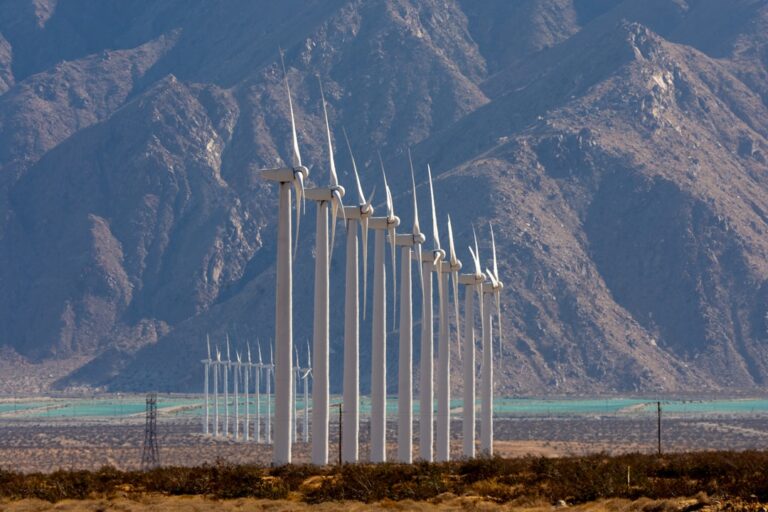
NHPC, acting as an intermediary procurer, initiated a tender in December 2024 to develop 1.2 GW of interstate transmission system (ISTS)-connected wind-solar hybrid projects. The competitive bidding process culminated in an e-reverse auction in March 2025. The primary objective was to secure cost-effective renewable energy for distribution companies (DISCOMs) through a transparent, tariff-based bidding framework aligned with Ministry of Power guidelines.
Key Details
The auction saw participation from major industry players, with Adani Renewable Energy Holding Twelve, Sprng Vayu Vidyut, Illuminate Hybren, and Avaada Energy emerging as successful bidders. The CERC has officially approved tariffs of ₹3.41/kWh and ₹3.42/kWh for these projects. A significant point of contention addressed by the Commission was the ‘greenshoe option,’ which allowed for additional capacity allocation. While Adani and Avaada were initially awarded 600 MW each under this provision, the CERC restricted Avaada Energy’s additional capacity to 210 MW, citing the need for further clarification on capacity allocation caps.
Regarding the trading margin, NHPC had requested a margin of ₹0.07/kWh. The Commission clarified that as an intermediary, NHPC’s role is primarily facilitative. It emphasized that trading margins must be mutually agreed upon by the parties involved and must strictly adhere to regulatory caps, preventing arbitrary charges on DISCOMs.
What This Means for EPCs and Developers
For developers and EPC contractors, this order underscores the importance of strict adherence to bidding guidelines, particularly concerning capacity expansion clauses like the greenshoe option. The CERC’s intervention serves as a warning that awarded capacities are subject to regulatory review, especially when they deviate from standard allocation caps. Developers must now factor in potential regulatory hurdles regarding capacity scaling and ensure their financial models account for capped trading margins, which may impact the overall project IRR.
What Happens Next
The CERC has directed all renewable energy implementing agencies to seek formal clarification from the Ministry of Power regarding the application of the 50% cap on greenshoe capacity. This is a critical development, as it will establish a standardized protocol for how excess capacity is handled in future tenders. EPC firms should monitor these upcoming policy clarifications, as they will influence future tender designs and the total project volumes available for execution in the wind-solar hybrid segment.
📊 Key Data
The following table summarizes the key regulatory outcomes for the NHPC 1.2 GW hybrid tender.
| Attribute | Details |
|---|---|
| Issuing Authority | NHPC / CERC |
| Capacity | 1.2 GW (Hybrid) |
| Technology Type | Wind-Solar Hybrid |
| Tariff Approved | ₹3.41/kWh and ₹3.42/kWh |
| Trading Margin | To be mutually agreed (capped) |
| Key Winners | Adani, Sprng Vayu, Illuminate Hybren, Avaada |
| Go/No-Go Signal | 🟢 |