⚡ Quick Read
- What happened: The CERC has officially adopted a tariff of ₹2.45/kWh for SECI’s 1,200 MW solar capacity under the CPSU program, rejecting SECI’s request for a higher ₹2.57/kWh rate.
- Why it matters: The ruling reinforces the sanctity of competitive bidding processes and sets a precedent for how ‘change-in-law’ claims regarding GST must be handled through separate, transparent petitions.
- Watch: SECI’s upcoming petition for provisional GST compensation and how it impacts the final project cost recovery for the 500 MW Madhya Pradesh and 700 MW Gujarat allocations.
Background and Context
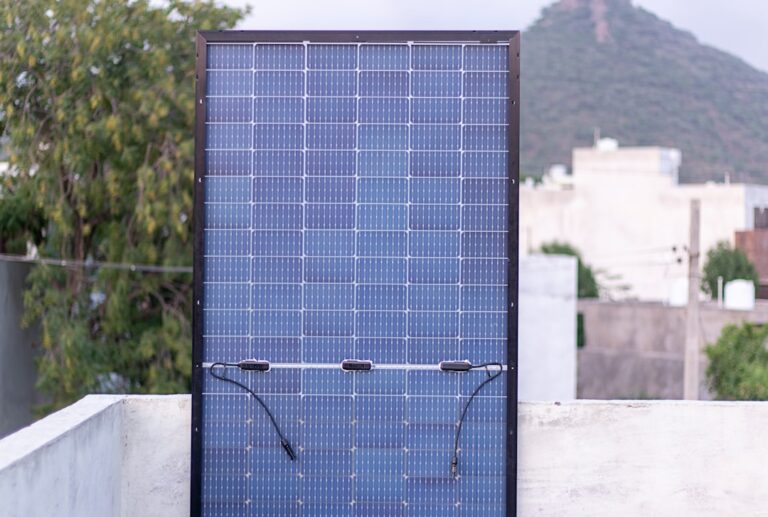
The Central Electricity Regulatory Commission (CERC) has delivered a significant verdict regarding the tariff structure for 1,200 MW of solar capacity developed by the Solar Energy Corporation of India (SECI) under Phase II of the Central Public Sector Undertaking (CPSU) program. The projects were part of Tranche III, which involved a competitive bidding process conducted by the Indian Renewable Energy Development Agency (IREDA) for a total of 5,000 MW. In this auction, the tariff was fixed at ₹2.45/kWh, with developers competing on the basis of Viability Gap Funding (VGF) requirements.
Key Details
SJVN emerged as the lowest bidder (L1) in the original auction, securing a VGF of ₹4.47 million per MW. Although SECI participated in the bidding, it was unsuccessful due to a higher VGF quote. Subsequently, the Ministry of New and Renewable Energy (MNRE) allocated 1,200 MW to SECI, provided it matched the L1 VGF rate. SECI later entered into Power Usage Agreements (PUAs) for 500 MW with Madhya Pradesh Power Management Company and 700 MW with Gujarat Urja Vikas Nigam.
SECI sought to increase the tariff from ₹2.45/kWh to ₹2.57/kWh, citing a ‘change-in-law’ event following the Ministry of Finance’s decision to increase the Goods and Services Tax (GST) on renewable energy equipment from 5% to 12%. While the MNRE had initially supported this revision, the CERC rejected the higher tariff, emphasizing that the original bidding parameters were clearly defined. The Commission did, however, permit SECI to claim GST-related compensation as a change-in-law event, provided it is pursued through a separate, formal petition process.
What This Means for EPCs and Developers
This ruling serves as a stern reminder to developers and state-run entities that tariff adoption is strictly governed by the initial competitive bidding framework. For EPC contractors and developers, the decision highlights the risks associated with relying on administrative tariff revisions rather than the original bid discovery. It reinforces that while ‘change-in-law’ provisions remain a valid mechanism for cost recovery, they cannot be used to bypass the competitive tariff discovery process. Contractors should ensure that their project financial models explicitly account for the procedural hurdles involved in claiming GST compensation post-facto.
What Happens Next
SECI is now expected to file a separate petition to seek provisional recovery of the GST-related costs. The industry will closely monitor the CERC’s final determination on these compensation claims, as it will establish the benchmark for how similar tax-related cost escalations are treated in future government-allocated projects. Furthermore, the Commission’s concern regarding the allocation of capacity exceeding 50 MW without a fresh bidding process may influence how the MNRE structures future capacity distributions under the CPSU program.
📊 Key Data
The CERC has mandated a tariff of ₹2.45/kWh for SECI’s 1,200 MW solar portfolio, directing the entity to pursue GST compensation through separate legal channels.
| Attribute | Detail |
|---|---|
| Issuing Authority | CERC |
| Capacity | 1,200 MW |
| Technology Type | Solar PV |
| Adopted Tariff | ₹2.45/kWh |
| VGF Rate | ₹4.47 million/MW |
| Project Location | Madhya Pradesh (500 MW), Gujarat (700 MW) |
| Go/No-Go Signal | 🟢 |