⚡ Quick Read
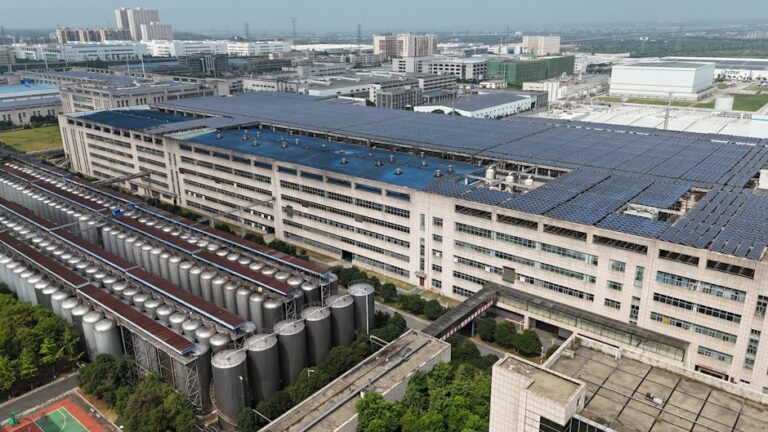
- What happened: Agratas has completed the steel frame for its 20 GWh battery manufacturing facility in Sanand, Gujarat, utilizing 24,000 tonnes of steel across a 105,000 square metre built-up area.
- Why it matters: The facility represents a massive scale-up in domestic cell manufacturing capacity, crucial for reducing reliance on imports for EV and grid-scale energy storage projects.
- Watch: Production is scheduled to commence in 2027, with ongoing focus on workforce development and systems integration.
Background and Context
Agratas, the global battery business under the Tata Group, is making significant strides in establishing a robust domestic supply chain for high-performance battery cells. The Sanand facility is a cornerstone of this strategy, designed to cater to the burgeoning demand for electric vehicles (EVs) and stationary energy storage systems (ESS). By localizing the production of advanced battery cells, the project aims to position India as a global hub for battery manufacturing, aligning with the government’s ‘Make in India’ initiative.
Key Details
The construction of the Sanand gigafactory has reached a major milestone with the completion of its primary steel frame. The structure is an engineering feat, spanning 700 metres in length and 150 metres in width, reaching a height of 34 metres. The project has consumed over 24,000 tonnes of steel to cover a built-up area of 105,000 square metres. At the peak of construction, the site employed over 2,500 skilled workers simultaneously. The project is being executed by Tata Projects Limited, working in close coordination with Tata Consulting Engineers (TCE) and various specialized steel contractors. The facility is slated to achieve an annual production capacity of 20 GWh in its initial phase, with full-scale production expected to go live in 2027.
What This Means for EPCs and Developers
For EPC contractors and renewable energy developers, the Agratas facility signals a shift toward a more reliable domestic supply of battery cells. As grid-scale energy storage becomes increasingly vital for managing intermittent renewable energy, the availability of locally manufactured, high-quality cells will likely stabilize project costs and reduce supply chain risks. Developers can expect improved lead times and potentially more competitive pricing for large-scale BESS (Battery Energy Storage System) deployments as the facility approaches its 2027 operational date.
What Happens Next
With the structural skeleton in place, Agratas is transitioning its focus toward the installation of manufacturing systems, process optimization, and the development of a highly skilled workforce. The company is currently building the necessary infrastructure to ensure safe and high-quality production standards. Industry stakeholders should monitor the facility’s progress regarding equipment procurement and the potential for auxiliary industrial clusters to emerge around the Sanand site, which could further lower logistics costs for the broader energy storage ecosystem.