⚡ Quick Read
- What happened: Adani Green Energy commissioned 360.5 MW of renewable capacity and 1,376 MWh of battery storage across Rajasthan and Gujarat.
- Why it matters: The rapid deployment of large-scale BESS highlights the critical shift toward grid-firming solutions for major Indian developers.
- Watch: Progress on the remaining 20.6 GW of planned capacity at the Khavda site toward the 50 GW by 2030 goal.
Background and Context
Adani Green Energy (AGEL) has achieved a significant milestone in its aggressive expansion strategy, operationalizing 360.5 MW of renewable energy projects and 1,376 MWh of battery storage capacity. These projects, located in Bandha, Rajasthan, and the strategic Khavda site in Gujarat, mark a continued acceleration in the company’s efforts to meet its ambitious 50 GW renewable energy target by 2030. The commissioning brings AGEL’s total operational renewable capacity to 19,293.8 MW.
Key Details
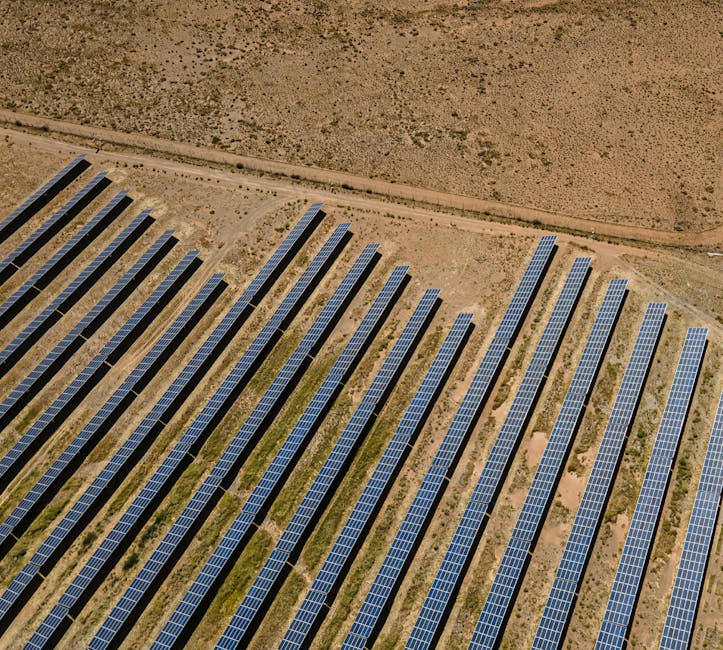
The newly commissioned renewable projects include a mix of solar and wind assets. Specifically, the capacity is distributed as follows: 137.5 MW in Bandha and 223 MW in Khavda. The projects comprise Adani Green Energy Twenty-Five C’s 50 MW solar and 65 MW wind project, Adani Green Energy Twenty-Six A’s 108 MW solar project, and Adani Green Energy Twenty-Five B’s 137.5 MW solar project.
Of particular note is the battery energy storage system (BESS) deployment. The 1,376 MWh capacity, split between Adani Renewable Energy Forty Three (953 MWh) and Adani Renewable Energy Thirty Seven (423 MWh), was completed in just eight months. This infrastructure is designed to bolster grid stability and facilitate the integration of intermittent renewable energy into the national grid.
What This Means for EPCs and Developers
For EPC contractors and developers, the Khavda project serves as a blueprint for large-scale, multi-technology integration. The ability to commission over 5 GW of capacity in a single financial year—consisting of 3.4 GW of solar, 686 MW of wind, and 956 MW of wind-solar hybrid projects—demonstrates the massive scale of procurement and execution capability currently required in the Indian market. The rapid BESS integration signals a shift in project requirements, where storage is no longer an optional add-on but a core component of utility-scale project design.
What Happens Next
AGEL has set a target of 30 GW of renewable energy projects at the Khavda site alone by 2029, with 9.4 GW already commissioned. As the company continues to scale, the focus will remain on the execution of the remaining capacity and the optimization of its hybrid power plants. The company reported a 21% year-over-year revenue increase in the third quarter of FY 2026, reaching ₹24.2 billion, providing the financial runway to sustain this rapid pace of development.