
⚡ Quick Read
- What happened: Adani Green Energy Ltd (AGEL) commissioned 5,051 MW of new capacity in FY26, comprising 3,409 MW solar, 686 MW wind, and 956 MW wind-solar hybrid, reaching a 19.3 GW total portfolio.
- Why it matters: The rapid execution at the Khavda site demonstrates the scalability of ultra-mega renewable projects and sets a new benchmark for EPC efficiency in India.
- Watch: Progress toward the 50 GW by 2030 target and further BESS integration at the Khavda site.
Background and Context
Adani Green Energy Ltd (AGEL) has solidified its position as India’s largest pure-play renewable energy company by achieving a record-breaking 5,051 MW capacity addition in the financial year 2025–26. This achievement represents the largest greenfield annual capacity expansion globally by any company outside of China, bringing AGEL’s total operational portfolio to 19.3 GW. This expansion is a critical component of India’s broader strategy to accelerate its shift toward a low-carbon economy and enhance national energy security.
Key Details
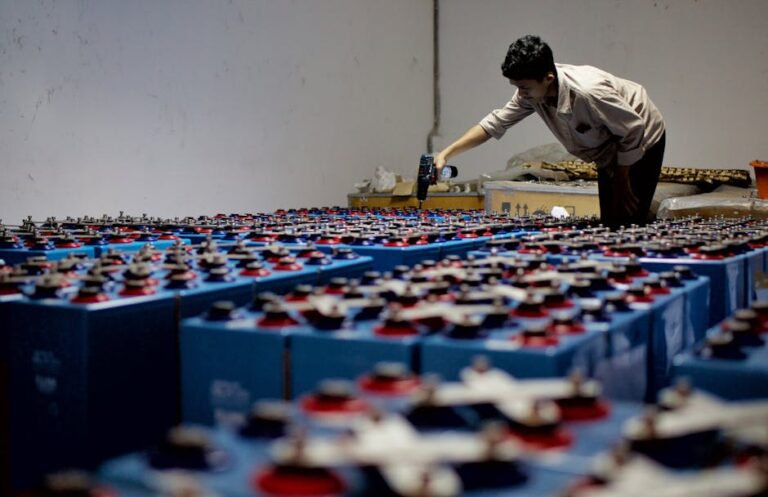
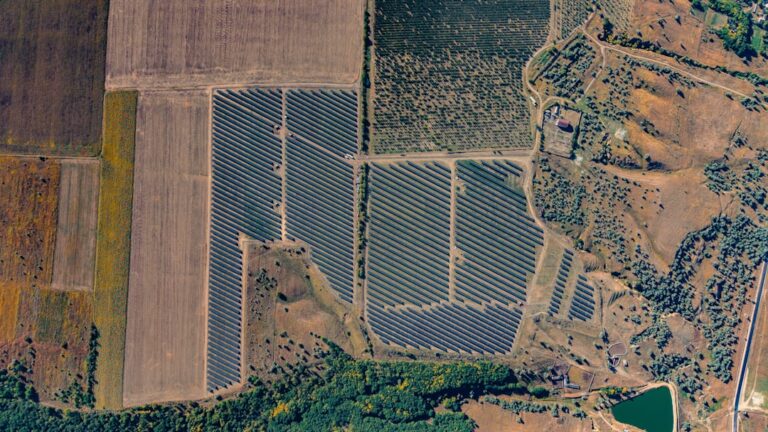
The bulk of this new capacity is concentrated at the Khavda renewable energy park in Gujarat, which spans 538 sq km. Of the planned 30 GW target for Khavda by 2029, AGEL has already successfully commissioned 9.4 GW. The FY26 additions include 3,409 MW of solar, 686 MW of wind, and 956 MW of wind-solar hybrid capacity. Beyond generation, AGEL has commissioned 1,376 MWh of battery energy storage systems (BESS) at the site, completed in just eight months to bolster grid stability.
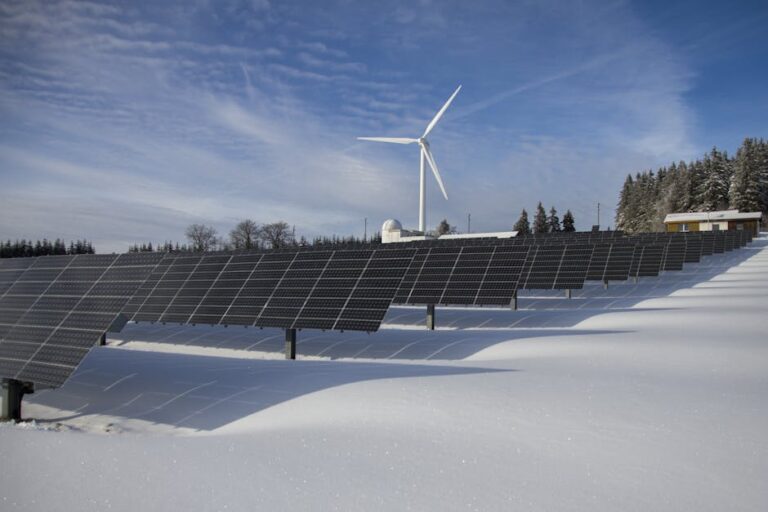
Technological integration at Khavda is extensive, featuring advanced bifacial solar modules paired with solar trackers to optimize yield. The site also utilizes 5.2 MW wind turbines, which rank among the most powerful onshore units globally. To maintain operational efficiency in the arid region, the company has implemented waterless robotic cleaning systems, ensuring near-zero water consumption for module maintenance.
What This Means for EPCs and Developers
For the Indian EPC sector, the Khavda project serves as a masterclass in large-scale logistics and rapid deployment. The ability to commission over 5 GW in a single fiscal year highlights the importance of standardized design, supply chain robustness, and the adoption of automation, such as robotic cleaning. Developers should take note of the hybrid model—combining wind, solar, and BESS—as the new standard for mitigating intermittency issues and securing grid-compliant power supply. The successful integration of BESS within an eight-month timeframe signals a shift in project timelines for storage-linked renewable tenders.
What Happens Next
AGEL is now focused on its ambitious roadmap to reach 50 GW of operational capacity by 2030. The company continues to prioritize the Khavda site as its primary hub for future growth. Industry observers will be monitoring the further scaling of BESS capacity at Khavda and the potential for similar ultra-mega project models to be replicated across other high-resource zones in India as the government pushes for higher renewable penetration.