
⚡ Quick Read
- What happened: India is transitioning to ‘Solar 2.0,’ a phase prioritizing high-efficiency n-type modules (TOPCon/HJT) and decentralized applications like PM Surya Ghar and agrivoltaics over mere capacity expansion.
- Why it matters: EPCs and developers must pivot from volume-based metrics to energy generation per square foot, utilizing advanced hardware to navigate urban space constraints and shading issues.
- Watch: Increasing adoption of 650W-750W modules and power optimizers as the standard for rooftop projects in high-density urban markets.
Background and Context
India’s solar sector is undergoing a structural evolution. Having successfully established itself as a global leader in capacity addition, the industry is moving beyond the ‘gigawatt-first’ mindset that defined the last decade. This new chapter, termed ‘Solar 2.0,’ emphasizes technological sophistication, decentralized energy generation, and the optimization of every square foot of available space. This shift is supported by major government initiatives, including the PM Surya Ghar: Muft Bijli Yojana, which targets 10 million households, and the PM-KUSUM 2.0 scheme, which promotes agrivoltaics to integrate energy production with agricultural land use.
Key Details
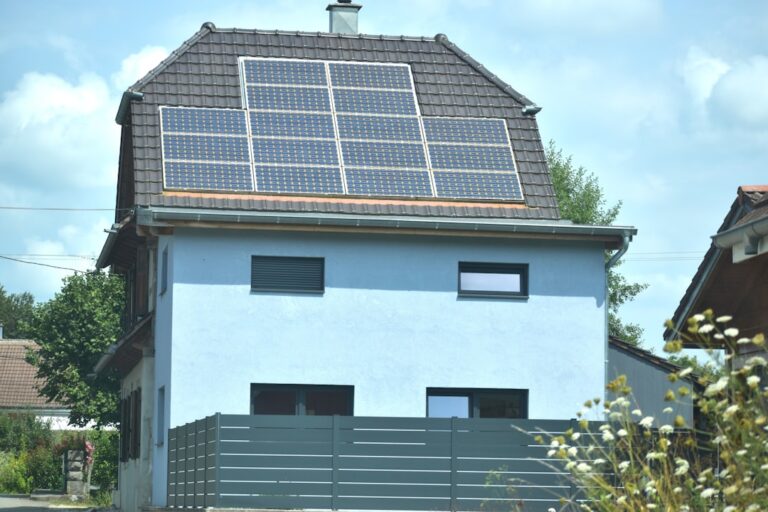
The transition is driven by the physical realities of urban development in cities like Mumbai, Delhi, and Bengaluru, where rooftop real estate is limited and costly. To maximize output in these constrained environments, the industry is rapidly adopting high-efficiency n-type technologies, specifically TOPCon and Heterojunction (HJT) cells. These technologies now offer module efficiencies ranging from 22% to 25%. Furthermore, there is a clear trend toward high-capacity modules, with outputs scaling from traditional 330–400W panels to units exceeding 650W and approaching 750W. To combat the challenges of partial shading and extreme thermal stress—where temperatures often exceed 50°C—developers are increasingly deploying micro-inverters and power optimizers. These components ensure that individual panel performance remains robust even when the broader array is compromised by shadows or heat.
What This Means for EPCs and Developers
For EPC contractors and developers, the primary success metric is shifting from installed megawatts to energy generation per square foot. This change necessitates a fundamental re-evaluation of procurement and design strategies. The use of high-wattage modules reduces the total number of panels required, thereby lowering mounting hardware costs and simplifying installation logistics. For urban rooftop projects, the integration of power optimizers is no longer an optional luxury but a technical necessity to maintain system economics. Developers must now prioritize modules with superior temperature coefficients to ensure performance stability during India’s intense summer months.
What Happens Next
As India works toward its ambitious goal of 500 GW of non-fossil fuel capacity by 2030, the reliance on precision deployment will only grow. The market is expected to see a continued decline in the use of legacy module technologies in favor of high-efficiency n-type solutions. Furthermore, the expansion of agrivoltaics under PM-KUSUM 2.0 will likely create new project archetypes, requiring EPCs to develop specialized expertise in elevated mounting structures that facilitate both power generation and crop cultivation. The focus will remain on technological integration to ensure that the next phase of India’s solar revolution is as efficient as it is expansive.