⚡ Quick Read
- What happened: The MPERC has increased fixed and energy charges for industrial and commercial consumers for FY 2026-27, while raising the cross-subsidy surcharge to ₹1.49/kWh.
- Why it matters: Higher grid tariffs and increased open access surcharges improve the economic viability of behind-the-meter solar and captive renewable energy projects for C&I consumers in Madhya Pradesh.
- Watch: The mandatory seven-day public notice period by state DISCOMs before the new tariff structure officially takes effect.
Background and Context
The Madhya Pradesh Electricity Regulatory Commission (MPERC) has issued a comprehensive tariff order for the financial year 2026-27, mandating an increase in electricity charges across all consumer segments. The decision follows a detailed review of the financial health of the state’s three distribution companies: Madhya Pradesh Poorv Kshetra Vidyut Vitran (East DISCOM), Madhya Pradesh Paschim Kshetra Vidyut Vitran (West DISCOM), and Madhya Pradesh Madhya Kshetra Vidyut Vitran (Central DISCOM).
The Commission’s analysis accounted for significant operational costs, including power purchase expenses, working capital requirements, and interest obligations. Notably, the regulator acknowledged interest on working capital totaling approximately ₹1.48 billion (~$15.72 million) and interest on consumer security deposits amounting to ₹4.11 billion (~$43.66 million), necessitating a revenue adjustment through higher tariffs.
Key Details
The tariff revision impacts both fixed and energy charges. For industrial consumers at the 11 kV level, fixed charges have surged from ₹363/kVA to ₹409/kVA, while 33 kV consumers face an increase from ₹516/kVA to ₹641/kVA. Higher voltage categories (132 kV and above) saw fixed charges rise to ₹729/kVA. Energy charges for industrial consumers also saw a corresponding upward trend, with 11 kV rates rising to ₹6.79/kWh.
Commercial consumers were not spared, with fixed charges at the 11 kV level increasing to ₹373/kVA. Energy charges for commercial users at the 11 kV level have been hiked to ₹7.25/kWh from the previous ₹6.95/kWh. Furthermore, the Commission has set specific energy charges for power-intensive industries, such as mini steel and sponge iron plants, at ₹6.20/kWh for 33 kV supply and ₹5.96/kWh for 132 kV and above.
A critical change for open access users is the hike in the cross-subsidy surcharge, which has been increased to ₹1.49/kWh, up from the previous ₹1.43/kWh. This adjustment ensures that the surcharge remains within the regulatory cap of 20% of the average cost of supply.
What This Means for EPCs and Developers
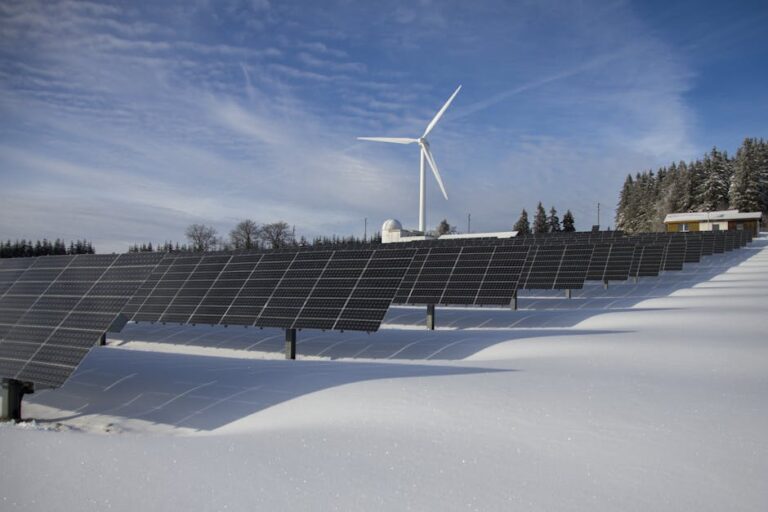
For EPC contractors and solar developers operating in the Commercial and Industrial (C&I) space, this tariff hike acts as a strong market catalyst. As grid power becomes more expensive, the Return on Investment (ROI) for captive solar installations and rooftop projects becomes significantly more attractive for industrial and commercial clients. The increase in open access surcharges further incentivizes onsite generation over third-party power procurement, potentially driving a surge in demand for behind-the-meter solar solutions in the state.
What Happens Next
The three state DISCOMs are now required to issue a seven-day public notice before the new tariff structure becomes enforceable. Stakeholders should monitor the implementation of these rates and evaluate the updated cost-benefit analysis for upcoming renewable energy projects in the region to align with the new fiscal reality.