⚡ Quick Read
- What happened: Oyster Renewable Energy has commissioned the first phase of a 315.6 MW hybrid wind-solar project in Agar-Malwa, Madhya Pradesh, with a total project investment exceeding INR 2,000 crore.
- Why it matters: The project utilizes advanced bifacial solar modules and 3.15 MW Suzlon wind turbines to provide stable, round-the-clock renewable power for industrial manufacturing.
- Watch: The subsequent commissioning of the 99 MW capacity located in Gujarat, which will complete the total 315.6 MW hybrid portfolio.
Background and Context
Jindal Stainless, a leader in India’s stainless-steel manufacturing sector, is aggressively transitioning toward a decarbonized energy mix to power its energy-intensive operations. To achieve this, the company has partnered with Oyster Renewable Energy to develop a large-scale hybrid renewable energy project. This initiative is a strategic move to secure a resilient, cleaner power supply, reducing the company’s reliance on traditional grid power and fossil-fuel-based energy sources.
Key Details
The 315.6 MW hybrid project is strategically spread across the states of Madhya Pradesh and Gujarat. The Madhya Pradesh facility, where the initial phase has been commissioned, accounts for 216 MW of the total capacity, while the remaining 99 MW is slated for development in Gujarat. The total investment for the project is valued at over INR 2,000 crore, with Jindal Stainless contributing a direct investment of INR 132 crore.
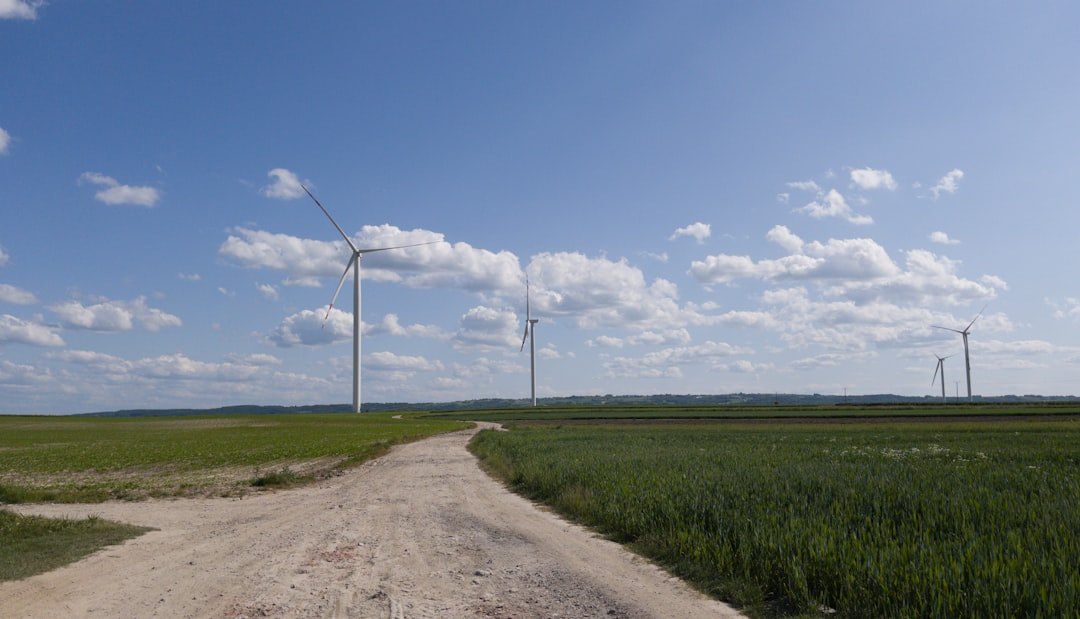
The project employs a sophisticated hybrid configuration. It integrates high-efficiency bifacial solar modules mounted on tracker systems with advanced 3.15 MW wind turbines supplied by Suzlon. This co-located design is engineered to optimize the generation profile by leveraging the complementary nature of solar and wind resources, thereby ensuring a more consistent power output. Once the entire 315.6 MW capacity is fully operational, the project is projected to abate approximately 6.5 lakh metric tonnes of carbon emissions annually.
What This Means for EPCs and Developers
For EPC contractors and renewable energy developers, this project underscores the growing industrial demand for hybrid energy solutions. The shift toward co-located wind-solar projects is becoming a preferred model for heavy industries aiming to mitigate intermittency issues associated with standalone solar or wind installations. The use of high-capacity turbines like the Suzlon 3.15 MW units alongside bifacial tracking solar systems highlights the technical complexity and high-performance standards now expected in industrial captive power projects in India.
What Happens Next
Following the successful commissioning of the Madhya Pradesh facility, the industry will look toward the completion of the 99 MW Gujarat component. As Jindal Stainless continues to integrate this hybrid power into its operations, the project will serve as a benchmark for other large-scale industrial players looking to adopt hybrid renewable energy to meet ESG targets and reduce long-term operational costs.