⚡ Quick Read
- What happened: Singapore-based Blueleaf Energy has commissioned a 300 MW wind-solar hybrid project in Madhya Pradesh, valued at ₹19 billion, featuring 35 wind turbines and a multi-site solar installation.
- Why it matters: The project utilizes a merchant power model with a 15-year power purchase agreement, signaling a shift toward flexible market-based revenue strategies for large-scale hybrid developers in India.
- Watch: Future progress on Blueleaf’s 7.6 GW development pipeline and the impact of their $75 million funding partnership with British International Investment on upcoming Indian assets.
Background and Context
Blueleaf Energy, a portfolio company under Macquarie Asset Management, has officially commissioned its 300 MW wind-solar hybrid power project located in Pachora, Madhya Pradesh. This milestone underscores the company’s aggressive expansion strategy within the Indian renewable energy landscape. With a global footprint spanning Southeast Asia, Japan, and Taiwan, Blueleaf is leveraging its international expertise to scale its Indian operations, which currently include over 1.3 GW of capacity either operational or under construction.
Key Details
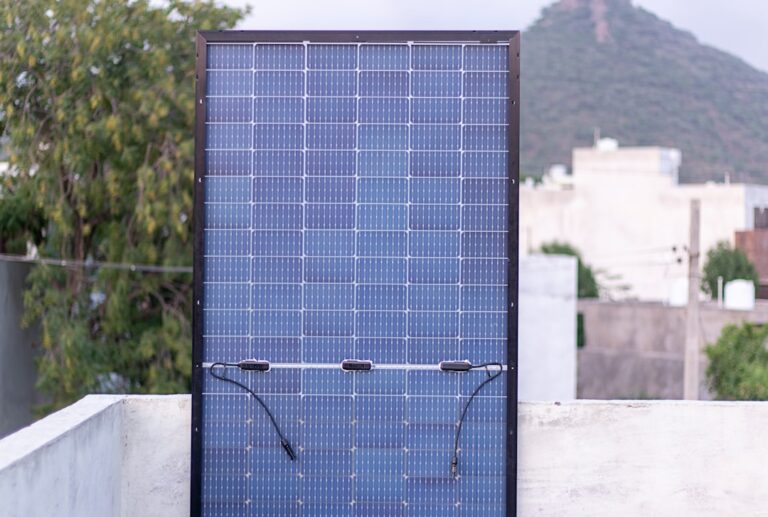
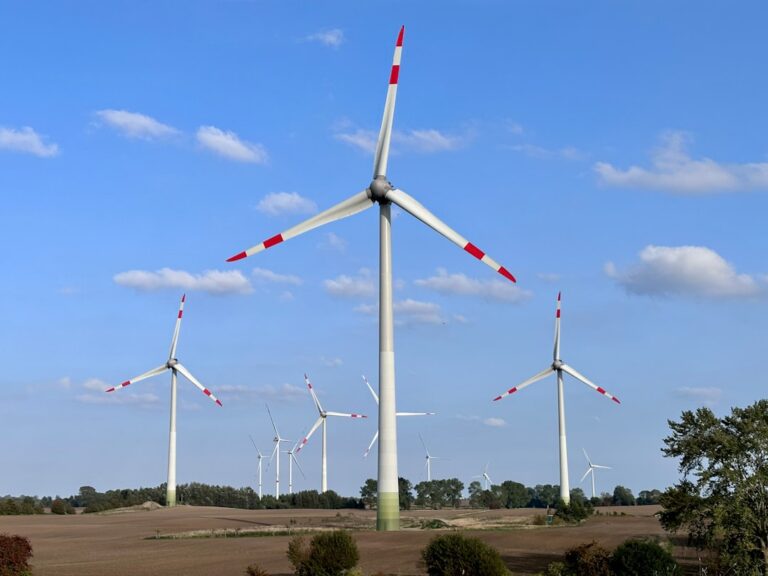
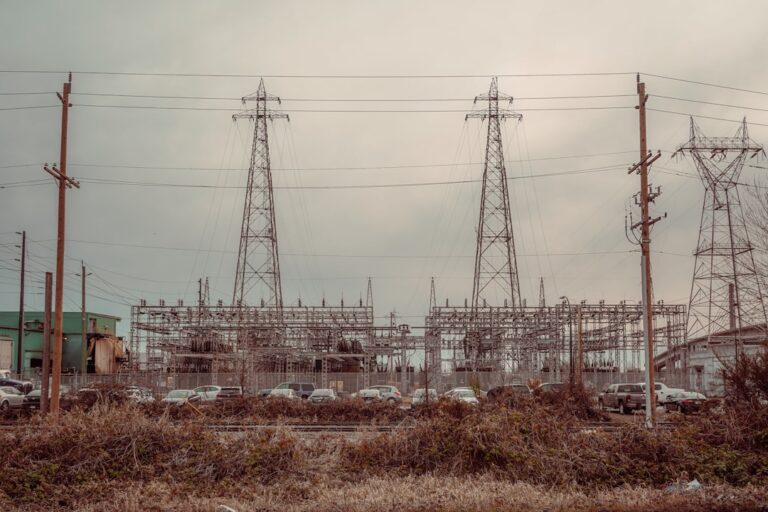
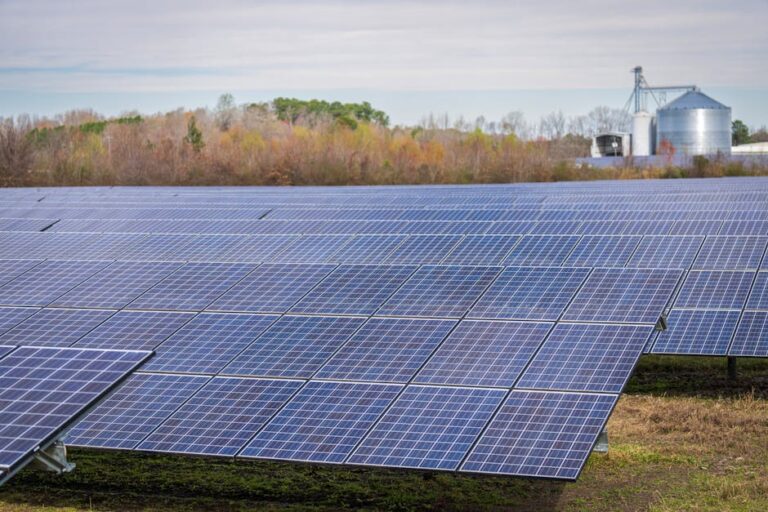
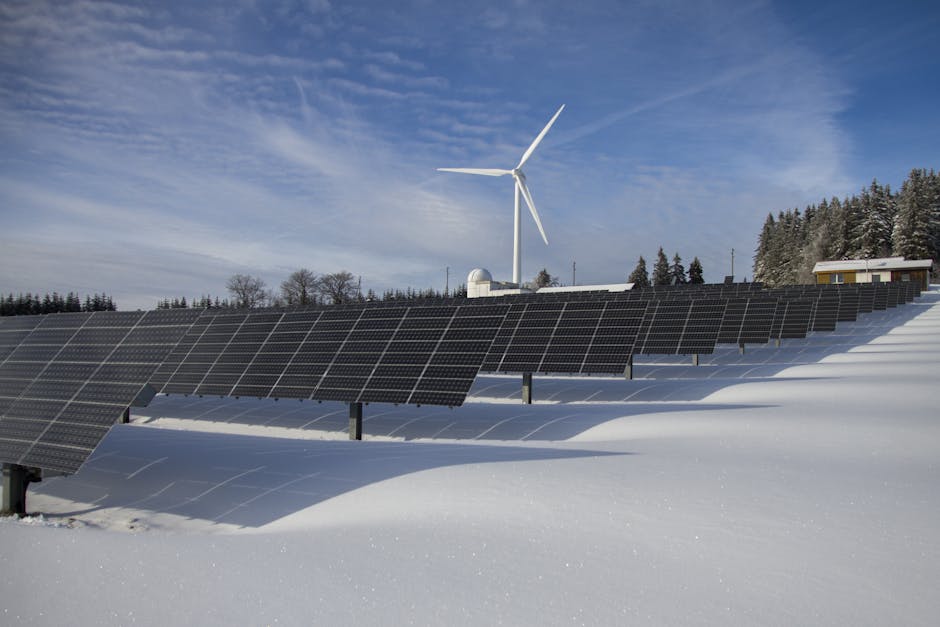
The Pachora project is a significant addition to India’s hybrid energy infrastructure. It integrates 35 wind turbines with a multi-site solar installation, all connected via a dedicated pooling substation. The project is valued at approximately ₹19 billion (~$202.19 million) and is expected to generate 600 million units (MU) of electricity annually, sufficient to power over 550,000 Indian households. Unlike traditional long-term utility tenders, this facility operates under a merchant power model, with the generated electricity sold through a 15-year power purchase agreement (PPA) with a domestic power trading company.
What This Means for EPCs and Developers
For EPC contractors and developers, the Pachora project highlights the viability of merchant-based hybrid models in the Indian market. By combining wind and solar, developers can optimize grid utilization and mitigate the intermittency issues associated with single-source generation. The project also demonstrates the importance of strategic financial partnerships; Blueleaf recently secured a $75 million investment from British International Investment (BII) to accelerate its 2 GW renewable energy expansion goal in India. Furthermore, the company’s recent financial close on 840 MW of solar capacity in Bikaner, Rajasthan, in partnership with Jakson Green, indicates a preference for large-scale, multi-project execution strategies.
What Happens Next
Blueleaf Energy continues to build out its substantial development pipeline, which currently stands at approximately 7.6 GW of generation assets and 3.3 GWh of energy storage projects. With 1 GW of storage currently under construction and 310 MW already operational, the company is positioning itself as a leader in the energy transition. Industry stakeholders should monitor Blueleaf’s upcoming ventures, particularly their foray into utility-scale battery energy storage systems (BESS), following their recent success in securing a 100 MW/400 MWh project in Malaysia. This focus on storage, combined with their robust pipeline in India, suggests that Blueleaf will remain a pivotal player in the evolving Indian energy market.