⚡ Quick Read
- What happened: JSW New Energy has commissioned a 3,600 TPA green hydrogen facility at the Vijayanagar Steel complex in Ballari, Karnataka, powered by 27 MW of renewable energy.
- Why it matters: This is the first project commissioned under the National Green Hydrogen Mission (NGHM) Mode-1, Tranche-I, marking a critical milestone for industrial decarbonization in India.
- Watch: Future developments in the NGHM, including the rollout of green hydrogen hubs and specialized workforce skilling initiatives.
Background and Context
The National Green Hydrogen Mission (NGHM) represents India’s strategic push to become a global hub for the production, usage, and export of green hydrogen. As the implementing agency, the Solar Energy Corporation of India (SECI) has been tasked with overseeing the deployment of production capacity under various tranches. The commissioning of the project at the JSW Vijayanagar Steel complex serves as the inaugural success story for the NGHM’s Mode-1, Tranche-I framework, which focuses on large-scale industrial production.
Key Details
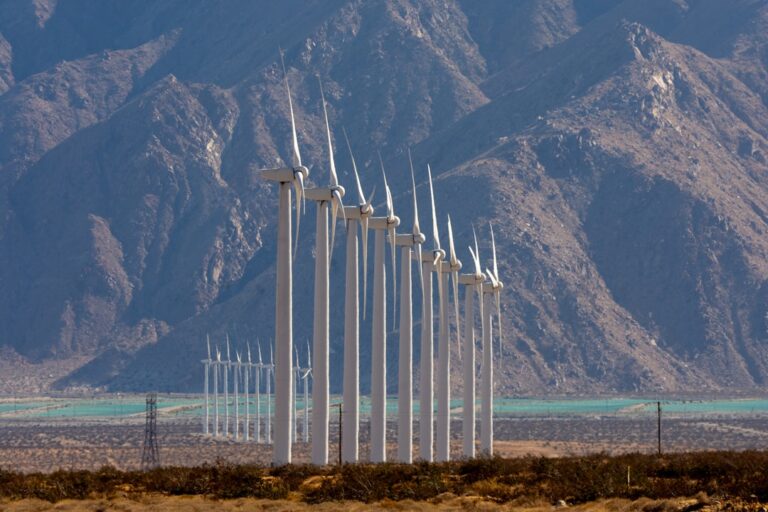
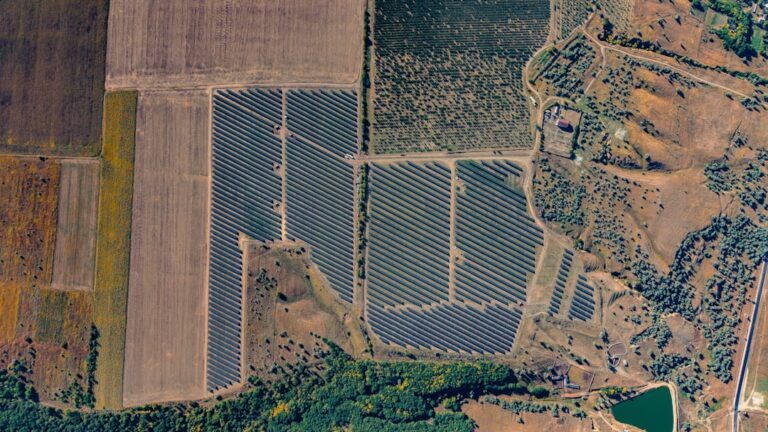
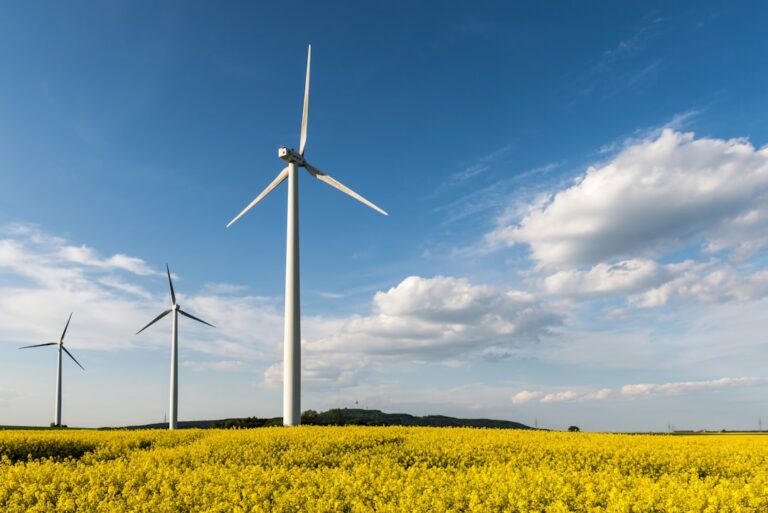
Developed by JSW New Energy, the facility boasts a production capacity of 3,600 tons per annum (TPA) of green hydrogen. The plant utilizes pressurized alkaline-based electrolyzers to facilitate the hydrogen production process. To ensure the ‘green’ credentials of the output, the facility is powered by 25 MW to 27 MW of round-the-clock renewable energy, sourced through a strategic mix of captive solar and wind assets.
The integration of this facility into the JSW Steel manufacturing ecosystem is highly efficient. The hydrogen produced is directly utilized in the direct reduced iron (DRI) process to lower carbon emissions. Furthermore, the electrolysis process generates oxygen as a byproduct, which is captured and fed into the plant’s blast furnace operations, demonstrating a circular resource optimization model.
What This Means for EPCs and Developers
For EPC contractors and renewable energy developers, this project validates the feasibility of integrating captive renewable energy assets with industrial hydrogen production. The project highlights the growing demand for ’round-the-clock’ (RTC) renewable power solutions, as intermittent energy sources alone cannot support the continuous requirements of industrial electrolyzers. Developers should note that the government is increasingly prioritizing projects that demonstrate industrial synergy, such as the use of byproducts like oxygen in steel manufacturing, which enhances the overall project ROI.
What Happens Next
The Ministry of New and Renewable Energy (MNRE) is currently shifting focus toward broader ecosystem development. This includes the implementation of skilling, upskilling, and reskilling programs to build a qualified workforce for the hydrogen value chain. Additionally, SECI is moving forward with the selection of agencies to prepare detailed project reports for green hydrogen hubs under Component B1 of the NGHM. Developers and EPCs should monitor upcoming tenders related to decentralized green hydrogen pilot projects, which will focus on off-grid and community-based applications using rooftop solar, biomass, and small-scale hydro.