⚡ Quick Read
- What happened: The CEA’s National Generation Adequacy Plan projects India’s peak power demand to reach 459 GW by 2035-36, with total installed capacity expanding to 1,121 GW.
- Why it matters: Developers and EPCs must prepare for a massive shift in the energy mix, where solar accounts for 45% of capacity and storage requirements surge to 174 GW.
- Watch: The integration of 80 GW of BESS and 94 GW of pumped hydro projects as the grid balances rising demand from EVs and green hydrogen.
Background and Context
The Central Electricity Authority (CEA) has released its National Generation Adequacy Plan for the period 2026-27 to 2035-36. This strategic roadmap is designed to assess India’s generation adequacy and provide a blueprint for meeting the country’s escalating electricity requirements over the next decade. As India transitions toward a more sustainable energy landscape, the plan accounts for significant shifts in consumption patterns, driven largely by the rapid adoption of electric vehicles (EVs) and the nascent green hydrogen sector.
Key Details
According to the CEA, India’s peak power demand is set to climb from 289 GW in 2026-27 to 459 GW by 2035-36, representing a compound annual growth rate (CAGR) of 5.58%. Concurrently, the annual energy requirement is projected to grow at a CAGR of 6.41%, rising from 1,929 billion units (BU) to 3,365 BU.
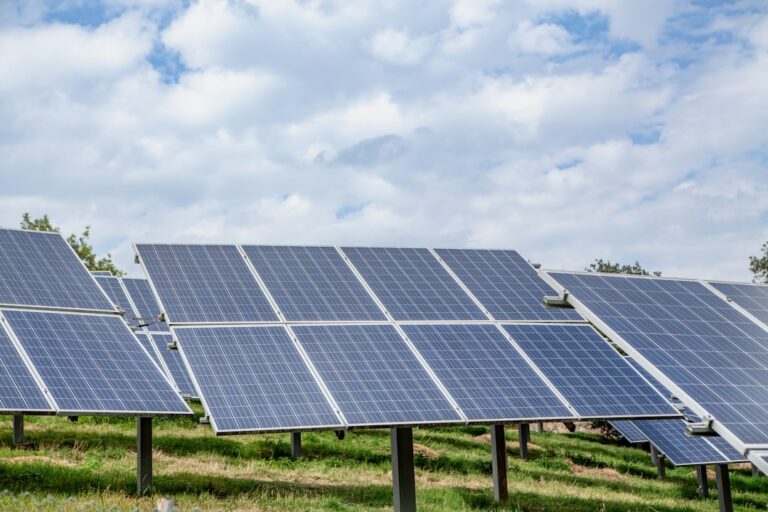
To meet this demand, the total installed capacity is expected to reach 1,121 GW by 2035-36. The generation mix will undergo a fundamental transformation: solar power will emerge as the dominant capacity source, contributing 509 GW (45% of total capacity). Coal will remain a critical baseload, though its share in total capacity will decline to 28% (315 GW). Other contributors include 155 GW of wind, 78 GW of large hydro, 22 GW of nuclear, and 20 GW of gas.
A critical component of the plan is the massive scale-up of energy storage. The CEA projects a storage requirement of 174 GW/888 GWh, comprising 80 GW from battery energy storage systems (BESS) and 94 GW from pumped storage projects (PSP).
What This Means for EPCs and Developers
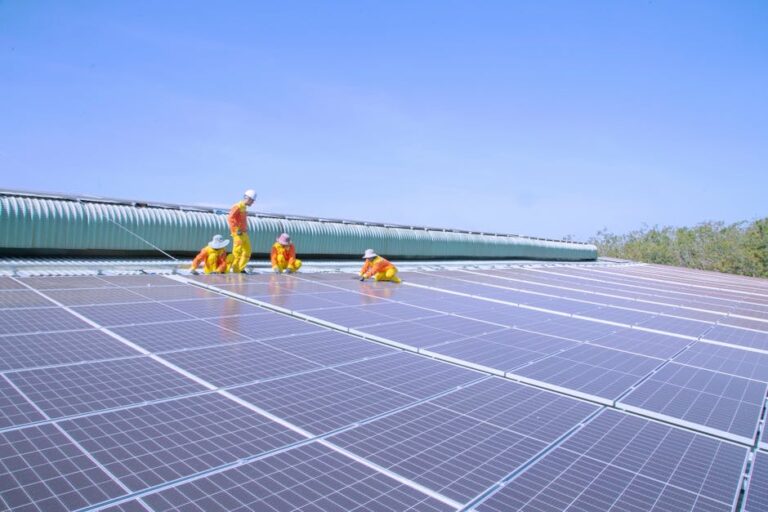
For EPC contractors and project developers, the CEA’s projections signal a long-term pipeline of large-scale renewable and storage infrastructure. With solar capacity set to reach 509 GW, there will be sustained demand for utility-scale solar EPC services, module supply, and balance-of-system (BOS) components. Furthermore, the explicit inclusion of 174 GW of storage capacity creates a massive market for BESS and pumped hydro developers, marking a shift from pure-play generation to integrated renewable-plus-storage solutions.
What Happens Next
The industry should monitor the implementation of state-level power-sharing mechanisms, as the CEA study highlights that complementary demand patterns between states can mitigate peak load pressures. Additionally, as coal generation is still expected to provide 51% of gross generation by 2035-36, the transition will be gradual. Developers should watch for policy updates regarding grid infrastructure upgrades and the regulatory framework for BESS, which will be essential to managing the intermittent nature of the projected 509 GW of solar capacity.