⚡ Quick Read
- What happened: L&T South City in Bengaluru installed a 500 kW rooftop solar system, generating 70,000 units monthly and reducing common-area power costs by 30-40%.
- Why it matters: The project demonstrates the financial viability of the PM Surya Ghar subsidy for large group housing societies, achieving a payback period of just 3.5 years.
- Watch: Future adoption rates of rooftop solar in residential complexes as developers leverage central financial assistance to mitigate rising grid tariffs.
Background and Context
As grid electricity tariffs continue to climb, residential complexes and group housing societies are increasingly turning to renewable energy to manage operational expenditures. The L&T South City apartment complex in Bengaluru, which houses 1,998 flats, faced significant financial pressure from the rising costs of powering common utilities, including lifts, lighting, and water pumping systems. Prior to the intervention, the society incurred monthly electricity expenses of ₹1.5 million, totaling approximately ₹18 million annually.
Key Details
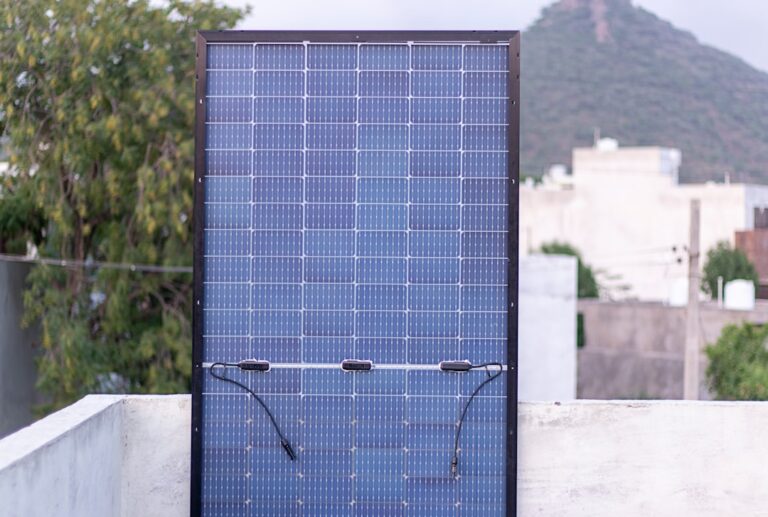
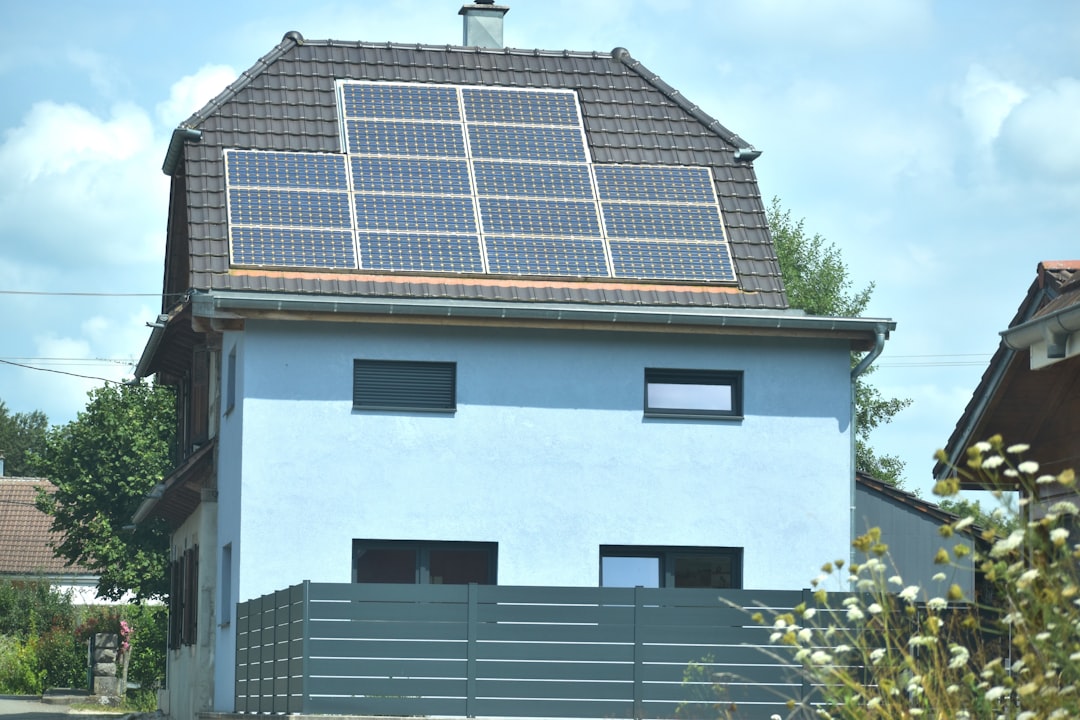
To address these rising costs, the society commissioned a 500 kW rooftop solar system in June 2025, executed by SolarSquare. The installation utilizes high-efficiency Premier Energies 546 Wp DCR MonoPERC half-cut bifacial modules paired with SolarEdge 33 kV inverters. The system produces between 2,300 and 2,500 units daily, amounting to roughly 70,000 units per month.
The project was made financially attractive through the PM Surya Ghar: Muft Bijli Yojana. The total net investment for the system was ₹19.5 million, which was significantly offset by a Central Financial Assistance (CFA) grant of ₹9 million. Under this program, group housing societies are eligible for a subsidy of ₹18,000 per kW for projects up to 500 kW. With this support, the apartment expects annual savings between ₹4.5 million and ₹5.5 million, resulting in a rapid payback period of approximately 3.5 years.
What This Means for EPCs and Developers
For EPC contractors and solar developers, this project serves as a blueprint for the residential C&I (Commercial & Industrial) segment. The successful integration of the PM Surya Ghar subsidy highlights the importance of navigating government portals efficiently; the society reported receiving subsidy credit within just two days of application. This streamlined process reduces the financial barrier to entry for large housing societies, creating a massive untapped market for rooftop solar installers.
However, developers must remain cognizant of local policy nuances. While the model is highly effective for apartments, the broader residential sector in states like Karnataka faces challenges where free electricity policies act as a disincentive for individual household solar adoption. Developers should focus their outreach on large-scale housing complexes where common-area load management remains a primary pain point.
What Happens Next
The success of the L&T South City project follows similar large-scale installations, such as the 810 kW system at Raheja Vistas in Mumbai, which generates ₹15 million in annual savings. As awareness of the PM Surya Ghar subsidy grows, EPCs should anticipate increased demand from housing societies. Industry stakeholders are expected to convene at the upcoming ‘C&I Clean Energy Meet’ in Mumbai on April 16, 2026, to further discuss strategies for scaling these solutions across India’s urban residential landscape.